What Is Cervical Spinal Stenosis?
Cervical spinal stenosis is a broad term referring to the symptoms
which may result from the narrowing of the spinal canal in the
neck . This may be due to age, injury, or degeneration.
The spinal canal is a long tunnel running down the centre of
the spine. This canal sits directly behind the bony blocks, or
veterbrae (‘vertebral bodies’) which form the spine
(vertebrae) and contains the spinal cord and nerve roots. When
the spinal canal is narrowed, the spinal cord and nerve roots may
be compressed- this is known as cervical canal stenosis.
The spinal nerves (‘nerve roots’) leave the cervical
spinal canal by passing through the intervertebral foraminae. The
nerves then travel to the arms where they control sensation and
movement. When the intervertebral foraminae are narrowed, the nerve
roots may be compressed- this is known as cervical foraminal stenosis.
In summary, cervical canal and foraminal stenosis are both caused
by the same underlying processes, and can present in a similar
fashion. The two conditions commonly co-exist and can be broadly
referred to as cervical spinal stenosis.
What Causes Cervical Spinal Stenosis?
Cervical spinal stenosis may be the gradual result of aging and "wear
and tear" on the spine as well as a genetic predisposition.
It may also be the result of an intervertebral disc
prolapse.
As a person ages, or as a consequence of excessive “wear
and tear”, a number of processes occur:
- The intervertebral disc loses much of its water content (“dehydration’ or ‘dessication’).
As a result, the discs decrease in height and bulge backwards
toward the spinal canal and intervertebral foramen.
- The facet joints (the small joints of the spine which hold
the vertebral bodies together) and ligaments also thicken (‘hypertrophy’)
and harden to further narrow the spinal canal and intervertebral
foramen.
- Bone spurs (osteophytes) often form, compressing nerves or
the spinal cord.
- Spondylolisthesis, the slipping fowards of one spinal bone
(‘vertebra’) on another, also may occur and lead
to compression.
The end result of all of this additional tissue formation is
that the softest structures in the spine get squashed. Unfortunately,
these are the spinal cord and nerves.
What Are The Symptoms of Cervical Spinal Stenosis?
Symptoms due to compression of the spinal cord and/or nerves include:
- Neck pain
- Shoulder pain
- Arm or hand pain
- Weakness in the arms or legs
- Lack of coordination and “clumsiness”,
- Imbalance when walking
- Bowel or bladder incontinence
Stenosis in the cervical spine can, as pointed out, affect both
the:
- Spinal nerves causing arm pain (radiculopathy)
- Spinal cord resulting in imbalance, coordination difficulty
(myelopathy)
If spinal nerves are being sufficiently pinched, a radiculopathy
may occur and the patient can experience unremitting arm pain,
as well as numbness and weakness. When the intervertebral foraminae
(‘neuroforaminae’) are reduced in size due to surrounding
buildup of tissue, the nerves react to the pressure by swelling
thereby causing further pressure on and irritation of the nerves.
Compression of the nerves is generally worse when the patient extends
the neck (but is sometimes worse when the chin is placed forwards
on the chest), and this usually increases the amount of arm pain.
Spinal cord compression may result in a myelopathy, with irreversible
weakness and loss of muscle bulk of the muscles of the arms, hands
and sometimes legs. Also, balance and coordination problems, as
well as bowel and bladder incontinence may develop.
The symptoms of cervical spinal stenosis may be very mild or even
absent even when significant stenosis is present. This is because
the spinal cord has the capacity to accommodate to some extent.
However, a sudden or severe force such as a car accident or fall
can result in severe symptoms in a patient with pre-existing cervical
stenosis. The medical term for one such syndrome is ‘central
cord syndrome’.
How Is The Diagnosis of Cervical Spinal Stenosis Made?
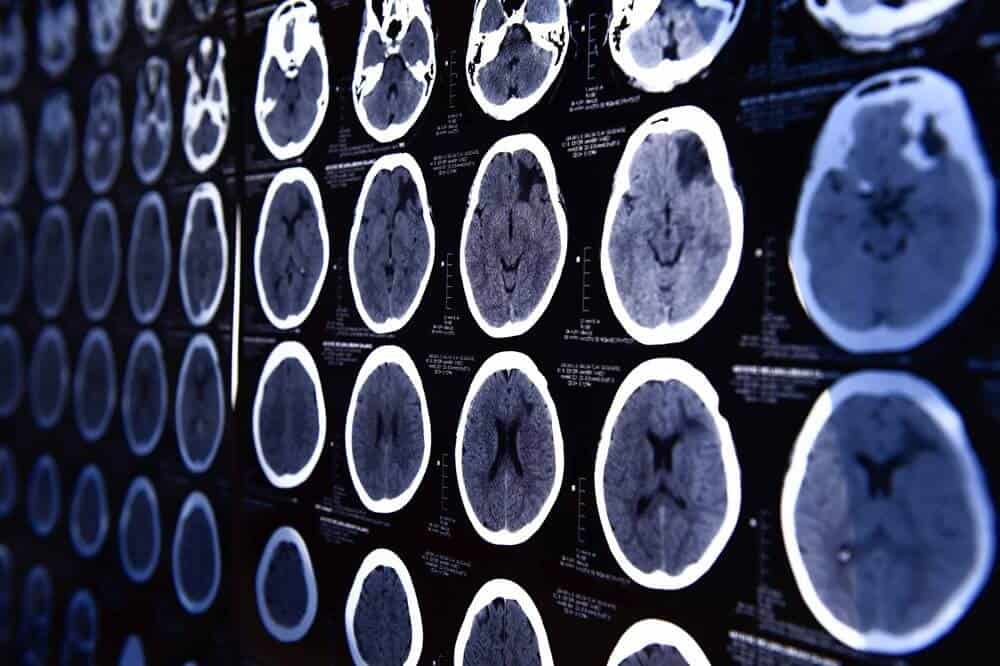
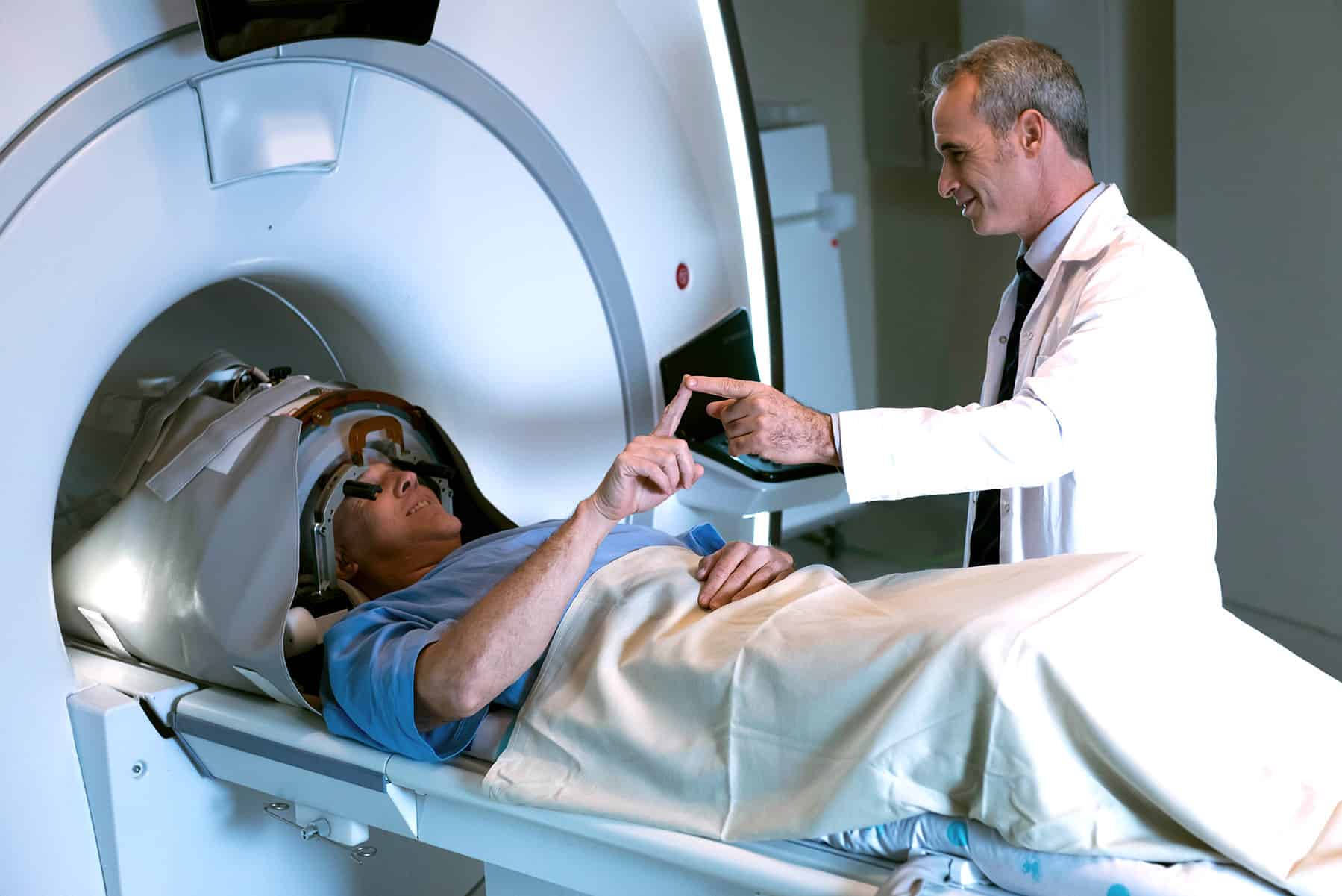
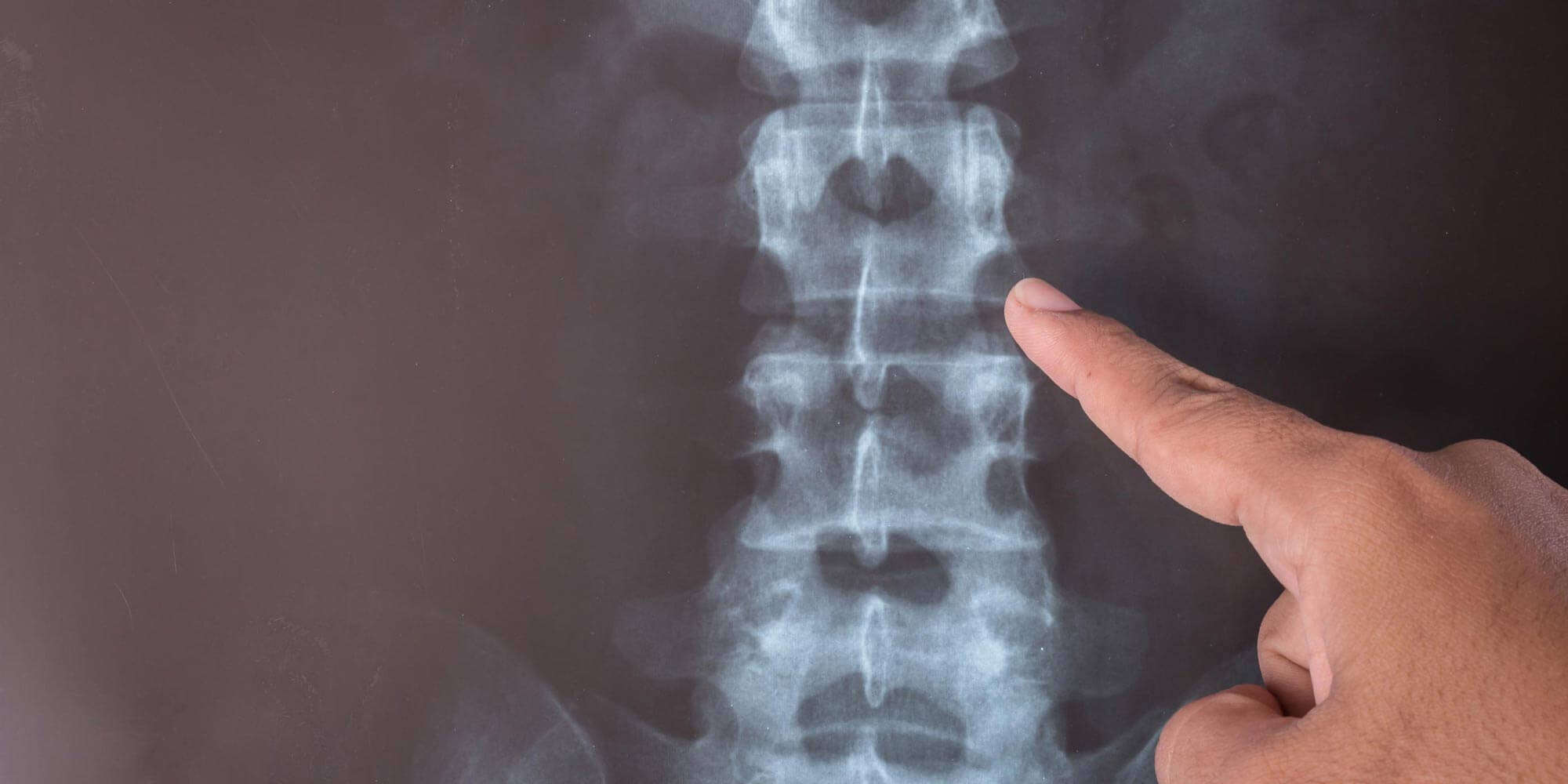
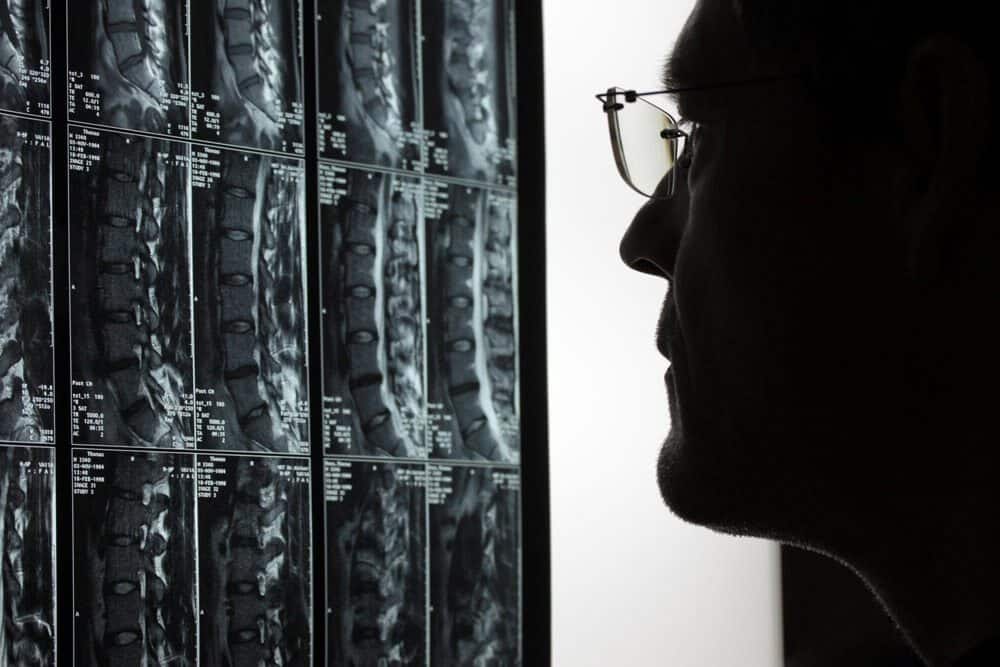
To determine the cause of your symptoms, your neurosurgeon may
require several radiological investigations. These frequently
include computed tomography (CT), and magnetic resonance imaging
(MRI).
In some situations, such as when you are unable to have an MRI,
you may also undergo a CT myelogram, where a CT scan is performed
after contrast dye is injected into the spinal canal.
Shoulder problems may sometimes be confused with pain due to
pressure on the nerve roots, and a shoulder ultrasound and/or MRI
may be ordered, or an orthopaedic opinion obtained.
What Are The Treatment Options for Cervical Spinal Stenosis?
Cervical spinal stenosis is almost always treated conservatively
in the first instance. Medications to relieve pain and reduce
inflammation are utillised. Analgesics include pain relievers
such as paracetamol and codeine. Non-steroidal anti-inflammatory
drugs (NSAIDS) include aspirin, ibuprofin and naproxen, and these
relieve pain as well as reducing inflammation and swelling. Other
pharmacological agents include a short course of corticosteroids
(prednisolone, cortisone), as well as agents specific for nerve
pain (such as pregabalin).
Other nonsurgical treatments for cervical spinal stenosis include
physiotherapy, chiropractic, acupuncture and osteopathy. Physical
therapy can also include the use of heat or ice packs, ultrasound,
electrical stimulation, and massage. These treatments can relax
tight muscles and ease pain or discomfort.
In more severe cases, local anesthetic may be injected around
the compressed nerve (transforaminal nerve sheath injection) and
can have both diagnostic and therapeutic value.
Severe or unresponsive cases of spinal stenosis may require surgery.
There are several types of surgery performed to relieve pressure
on the spinal cord and nerves, and to help strengthen the spine.
These include:
- Anterior cervical decompression and fusion
- Cervical arthroplasty (artificial disc insertion)
- Foraminotomy
- Cervical laminectomy
- Posterior cervical decompression and fusion
|