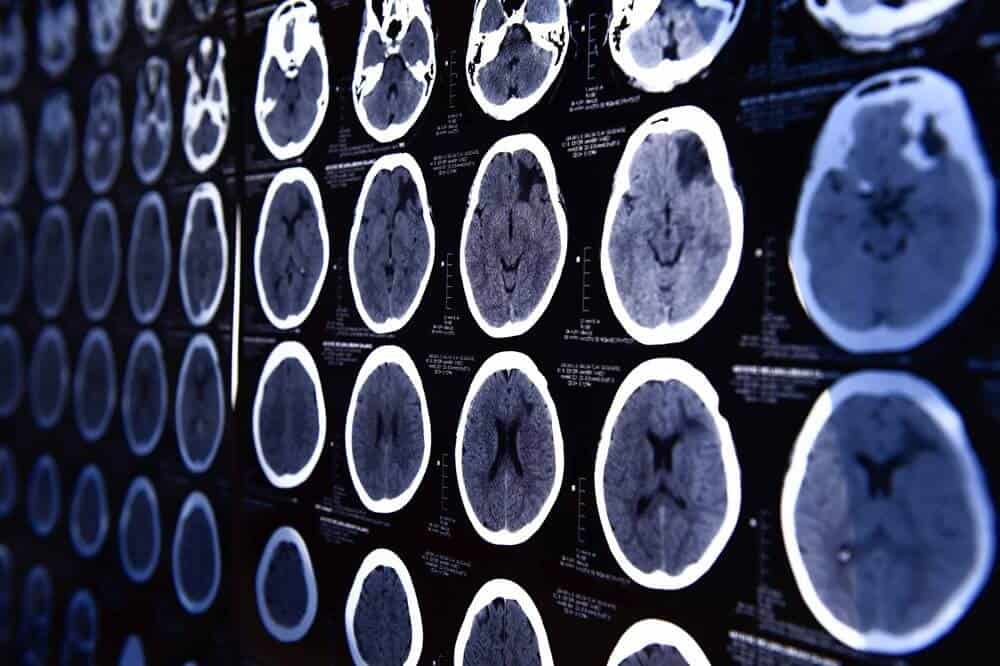
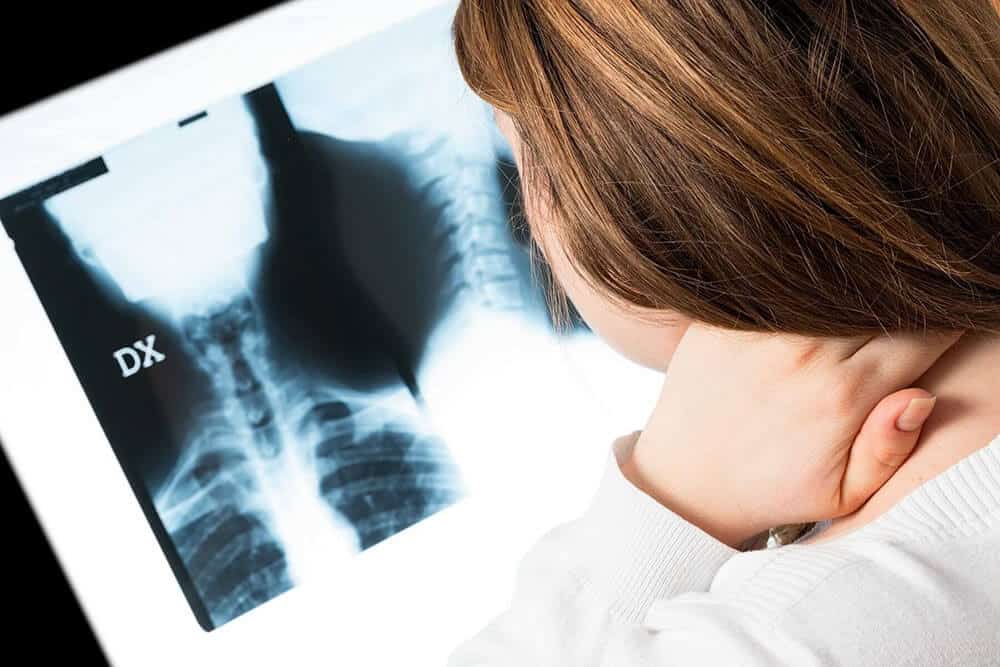
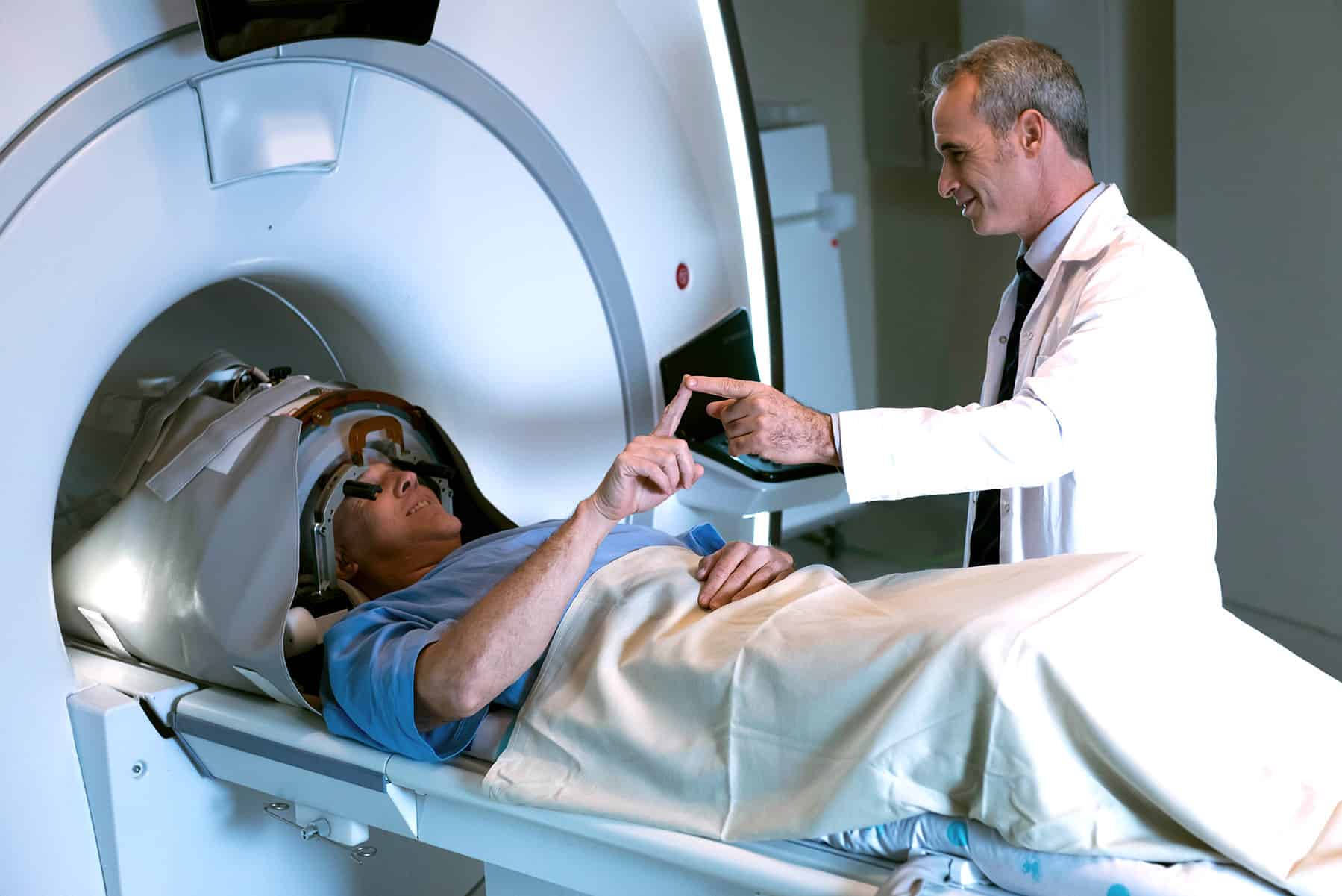
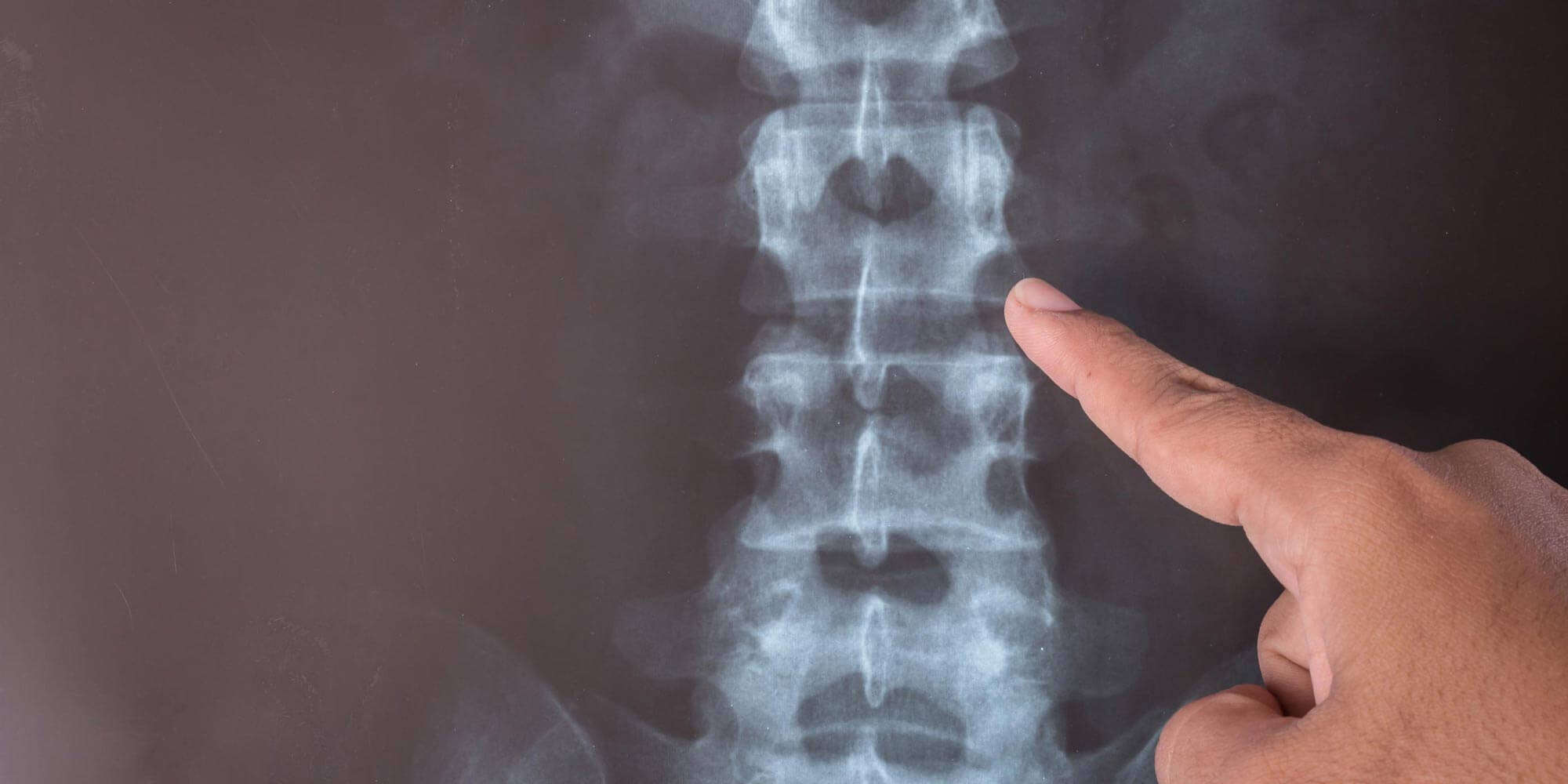
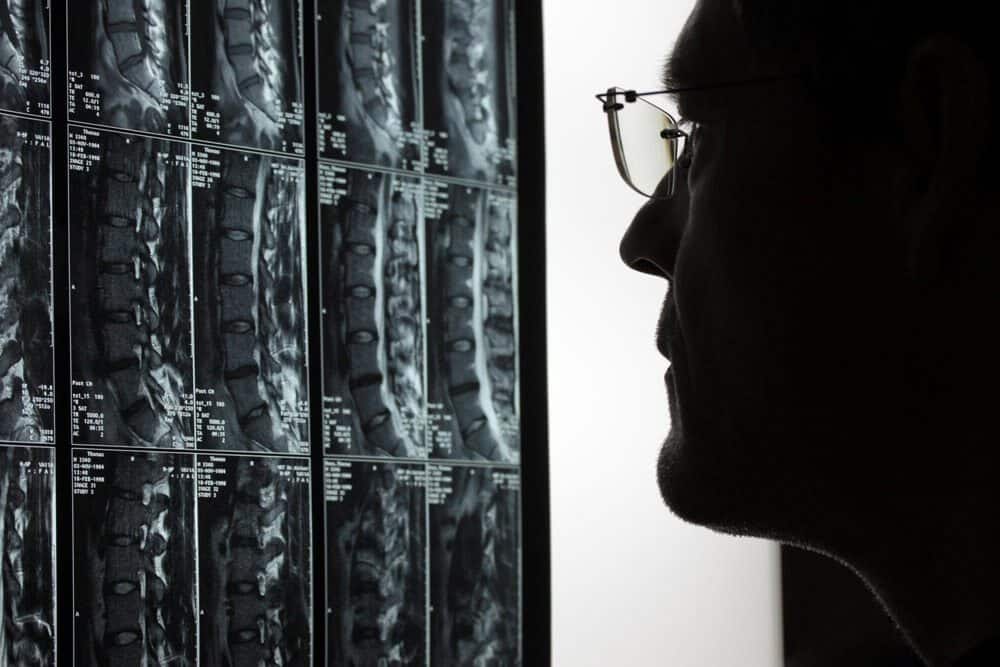
What is lumbar spinal stenosis? Lumbar spinal stenosis occurs when the bony tunnels in the spine that transmit the spinal cord and nerve roots become narrowed. The spinal nerves (or nerve roots) typically become compressed, leading to pain in the lower back and legs. Lumbar spinal stenosis may affect one or more anatomical compartments, including the spinal canal (lumbar canal stenosis) and intervertebral foramen (lumbar foraminal stenosis). The spinal canal is a long tunnel running down the centre of the spine. This canal sits directly behind the bony blocks, or veterbrae (‘vertebral bodies’) which form the spine (vertebrae) and contains the spinal cord (which usually ends in the upper lumbar spine) and nerve roots. When the spinal canal is narrowed, the spinal cord and nerve roots may be compressed- this is known as lumbar canal stenosis. The lumbar spinal canal may be subdivided into other compartments, notably the lateral recess and subarticular compartments. Narrowing of the calibre of these specific compartments may give rise to ‘lateral recess stenosis’ or ‘subarticular stenosis’. The spinal nerves (‘nerve roots’) leave the lumbar spinal canal by passing through the intervertebral foraminae. The nerves then travel to the legs, bladder and bowels where they control sensation and movement. When the intervertebral foraminae are narrowed, the nerve roots may be compressed- this is known as lumbar foraminal stenosis. In summary, lumbar canal and foraminal stenosis are both caused by the same underlying processes, and can present in a similar fashion. The two conditions commonly co-exist and can be broadly referred to as lumbar spinal stenosis. What causes lumbar spinal stenosis? Trauma can also cause spinal stenosis. This includes the kind of injury caused by picking up heavy objects improperly. The vertebrae (spinal bones) or intervertebral discs (shock absorbers between the bones) may be injured, resulting in pressure on the spinal cord and/or nerves. Spinal fractures may result in fragments of bone which intrude into the spinal canal. Lumbar spinal stenosis may also be caused by the spread of cancer to the vertebral column, or by infection (discitis, osteomyelitis, epidural abscess). What are the symptoms of lumbar spinal stenosis? Symptomatic patients with lumbar stenosis typically experience pain on standing or walking, and may have trouble walking for any length of time or for long distances. They need to sit down or lean forward (such as when pushing a shopping trolley) to relieve the pain. The pain typically returns when standing upright. This pattern of pain is known as ‘neurogenic claudication’. In severe cases of spinal stenosis, nerves to the bladder or bowel may be compressed, which can lead to incontinence (loss of control) of urine and/or faeces. Anyone who experiences problems controlling their bladder or bowels should seek urgent medical attention. How is the diagnosis of lumbar canal stenosis made? To determine the cause of you symptoms, your neurosurgeon may require several investigations. These may include computed tomography (CT), and magnetic resonance imaging (MRI). In some situations, such as when you are unable to have an MRI, you may also undergo a CT myelogram, in which CT imaging is performed while a contrast dye is injected into the spinal column. Ultrasound scans of the blood vessels in the legs are often carried out to exclude vascular insufficiency as a cause of the symptoms. What are the treatment options for lumbar canal stenosis? Other nonsurgical treatments for lumbar stenosis include physiotherapy, hydrotherapy, pilates, chiropractic, acupuncture and osteopathy. A physiotherapist can teach you exercises to help you build up and maintain strength, endurance, and flexibility for spinal stability. Some of these exercises will help strengthen your back and abdominal muscles (core muscle groups), since they help support the back. Physical therapy can also include the use of heat or ice packs, ultrasound, electrical stimulation, and massage. These treatments can relax tight muscles and ease pain or discomfort. A back brace or corset can also help support your back and may be especially helpful for people who have degeneration in more than one area of the spine. In more severe cases, you may be prescribed a corticosteroid injection into the spinal canal. This may comprise an epidural injection. Local anesthetic may also be injected around the compressed nerve (transforaminal nerve sheath injection) and can have both diagnostic and therapeutic value. Your neurosurgeon may also suggest that you rest your back by restricting your activities. Rest followed by a gradual return to exercise can help the back heal in some cases. Prolonged strict bed rest, however, is generally not recommended. Severe cases of spinal stenosis may require surgery. There are several types of surgery done to relieve pressure on the spinal cord and nerves and to help strengthen the spine. The most common surgical procedures are decompressive lumbar laminectomy, laminotomy, and spinal fusion. |