SCIATICA

What is sciatica?
What can cause sciatica (leg pain)?
Lumbar disc prolapse and sciatica
Spinal stenosis and sciatica
How is sciatica treated?

What is sciatica?
Sciatica is pain running down the leg.

Sciatic pain typically results from compression or irritation of one or more nerves in the lumbar spine. It usually runs through the buttock, and its distribution thereafter depends upon which nerve is being affected.

What can cause sciatica (leg pain)?
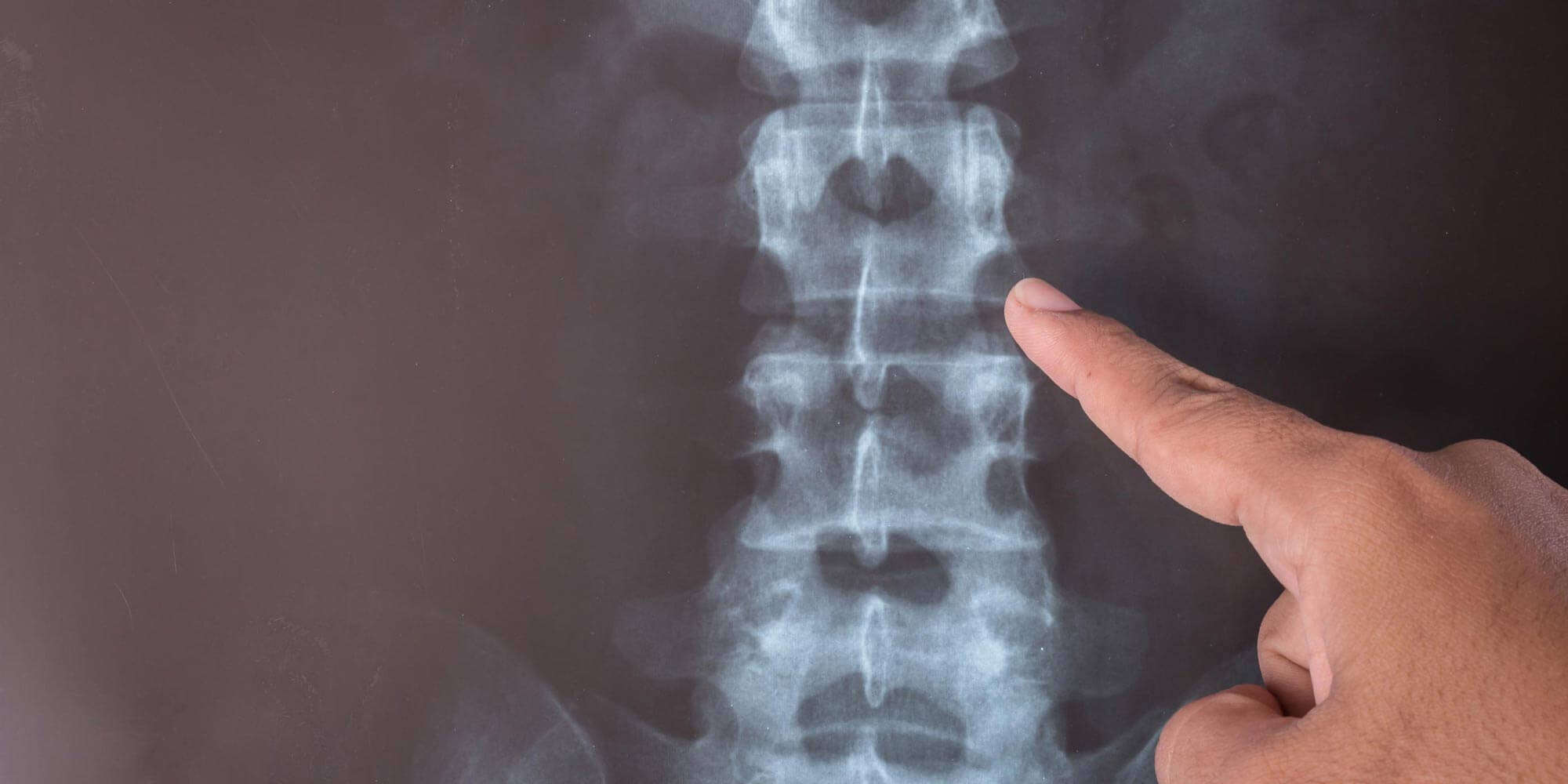
The spinal canal and intervertebral foraminae in the lumbar spine (lower back) are bony tunnels through which run the spinal nerves (nerve roots) respectively. When the size of these tunnels is reduced, there is less room for the spinal nerves, the consequence of which may be pressure on these structures.

Symptoms of neural (nerve or spinal cord) compression include pain, aching, stiffness, numbness, tingling sensations, and weakness. As spinal nerves branch out to form the peripheral nerves, these symptoms may radiate into other parts of the body. For example, nerve root compression in the lower back can cause symptoms in the buttocks, legs, and feet.

Disorders that can cause nerve root compression include:

  1. Intervertebral disc prolapse (bulging, ruptured or ‘slipped’ disc)
  2. Spinal stenosis
  3. Spondylolisthesis (a slip of one spinal bone on the other)

Lumbar disc prolapse and sciatica
A disc prolapse (herniation) refers to either a rupture or bulge of an intervertebral disc.

The intervertebral discs are soft structures which act as shock absorbers between each of the vertebrae (bones) in the spine. A single disc sits between each vertebra. Each intervertebral disc has a strong outer ring of fibres (‘annulus’), and a soft, jelly-like centre (nucleus).

The central soft and juicy nucleus is a spherical structure that acts allows
tilting, rotating, and gliding movements in the spine. The nucleus also serves as the main shock absorber. It is a transparent, gelatinous substance that contains 88 percent water in young adults. With age and/or degeneration, the water content drops significantly. Collagen fibers, connective tissue cells, and a small amount of cartilage compose the remainder of the nucleus. The nucleus does not contain any blood vessels or nerves.

The annulus is the toughest part of the disc, and connects each vertebral bone. The annulus is a ring-like mass of fibers enclose the central nucleus and hold it under pressure to prevent rupture.


In degenerative disc disease these discs between your vertebrae shrink and become worn out or damaged, which may lead to herniation.

An annular tear is where the annulus fibrosis is torn, often the first event in the process of disc prolapse. An annular tear can cause back pain with or without leg pain.

When a disc becomes ruptured, or herniated, the annulus is disrupted. The nucleus then partially extrudes from the disc. In other words, a lumbar disc prolapse (or herniation) occurs when the nucleus pulposis pops out of its usual position.

Ruptured or prolapsed intervertebral discs may cause leg pain or sciatica by two main mechanisms:

  1. Direct pressure on the nerves in the spinal canal or intervertebral foramen.
  2. Chemicals which incite inflammation are also released from the ruptured disc, and these also contribute to nerve irritation.

Discs often rupture suddenly as a result of excessive pressure. Bending and heavy lifting is a typical mechanism of injury.

Intervertebral discs sometimes rupture following the application of a smaller amount of force. This is usually in the context of weakened annular disc fibres from repeated injuries over the years. This may also occur as part of the aging process of the spine.

Herniated discs occur most commonly in young and middle-aged adults.

Around 90% of lumbar disc herniations occur at the L4-L5 or L5-S1 discs.

Spinal stenosis and sciatica
Degeneration and osteoarthritis can cause pain, numbness, tingling and weakness from pressure on the spinal nerves and/or spinal cord. This pressure may arise from osteophyte (‘bony spur’) formation, as well as hypertrophy (thickening) of the spinal ligaments and facet joints. The spinal canal may be narrowed (lumbar canal stenosis), and the area just underneath the facet joints may also be reduced in size (subarticular or lateral recess stenosis).

Osteophytes are abnormal bony spurs which form as part of the degenerative process or following a longstanding disc prolapse. This extra bone formation can cause spinal stenosis as well as intervertebral foraminal stenosis, resulting in compression of the spinal cord and/or spinal nerves.

As the spinal nerves leave the canal, they need to travel through the intervertebral foramen to get to the legs. This tunnel may be narrowed by a number of degenerative and other processes, including:

  1. Intervertebral disc degeneration, collapse and bulging
  2. Osteophyte formation
  3. Spondylolisthesis.

When this occurs, it is known as foraminal stenosis (see picture).

Sciatic pain as a result of spinal stenosis is frequently worse on standing and walking, and improves on sitting. This pain pattern is known as neurogenic claudication.

How is sciatica treated?
Treatment for sciatica is usually non-operative, and surgery is only necessary in a small percentage of patients.

Your specialist may prescribe modification of physical activities, including avoidance of certain recreational and work-related activities, to help settle symptoms from mechanical back pain. Special braces are occasionally prescribed to ease back pain. Strict bed rest is rarely needed, however short periods of bed rest may help with acute painful episodes.

A well-rounded physical rehabilitation program assists in settling pain and inflammation, improving mobility and strength, and helping you to do your daily activities more easily. A combination of physiotherapy, hydrotherapy and clinical pilates is usually recommended.

Positions, movements, and exercises are prescribed to reduce pain. Hamstring flexibility is addressed, along with strength and coordination exercises for the low back and abdominal muscles (core stability exercises).

The aims of these physical therapies are to assist you in

  • managing your condition and controlling your symptoms
  • correcting your posture and body movements to reduce back strain
  • improving your flexibility and core strength

Some patients also benefit from chiropractic treatment osteopathy, remedial massage, and acupuncture.

Review by a clinical psychologist is often useful. Strategies to manage pain may include cognitive behavioural therapy and mindfulness-based programs. It is important to treat any associated depression or anxiety, as these conditions may increase your experience of pain.

Medications play an important role in controlling pain, easing muscle spasms, and helping to regain a normal sleep pattern. Long-term medication usage should not be undertaken lightly, and should be closely supervised in order to avoid problems such as tolerance and dependence (addiction).

If the above measures fail, a nerve sheath injection is frequently organized to attempt to reduce the pain. These injections may have diagnostic and therapeutic value, although the benefit is frequently short-lived (days to weeks).

Surgery is needed only if conservative treatments fail to keep your pain at a tolerable level, and when the underlying condition is amenable to surgery. Not all patients with severe unremitting back pain are suitable for surgery. Surgical treatment must address any mechanical (instability) and compressive (nerve pressure) issues.

Surgery usually comprises a microdiscectomy, with or without interspinous disctractor insertion.