What is a craniotomy?
A craniotomy is an operation performed by neurosurgeons in order to treat
various conditions affecting the brain.
In simple terms, craniotomy means a ‘hole in the head’ (Crani-
= head; -otomy = hole).
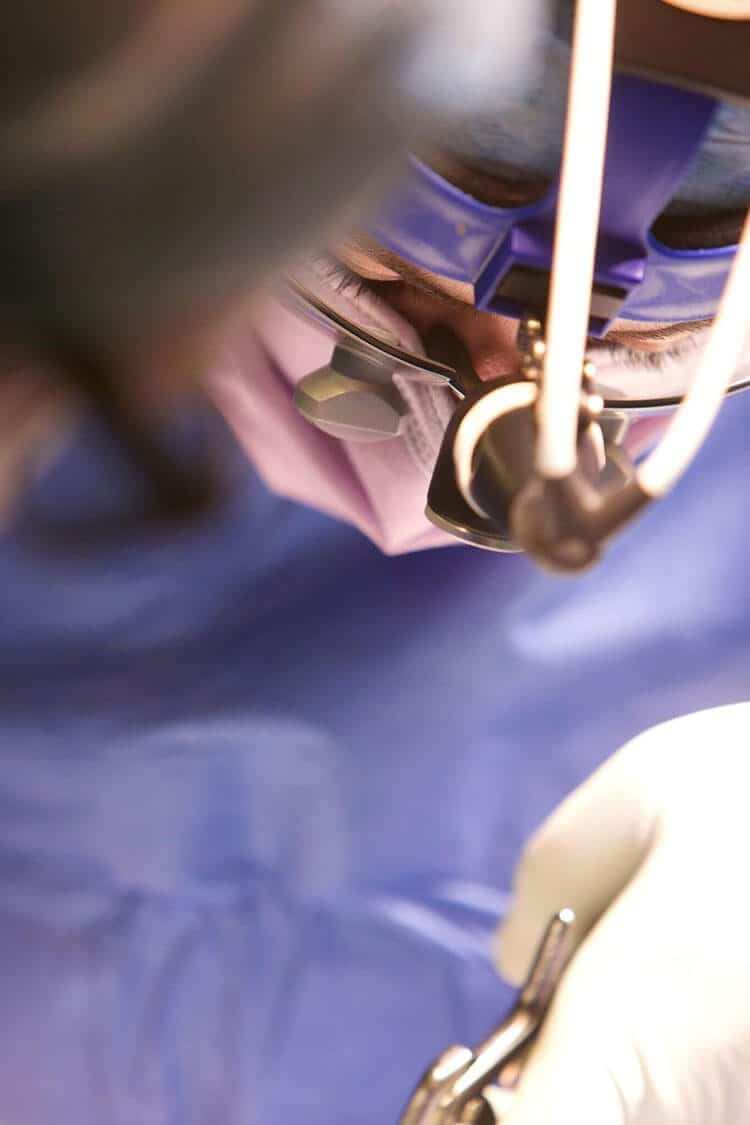
A craniotomy involves making an incision in the scalp and removing
a window of bone from the skull (this bone is secured back in position
at the end of the operation). What is done after the bone is removed
depends upon the condition (or ‘pathology’) being treated.
Brain surgery has undergone major developments over the past 15 years
or so. The result is that neurosurgeons can operate on parts of the brain
previously thought to be unreachable. Furthermore, brain surgery has
become much safer and is more likely to be successful than it was previously.
What are the reasons for undergoing surgery?
There are several potential goals of a craniotomy, depending upon the
condition suffered by the patient. These may include one or more of
the following:
- Establishing a diagnosis
- Brain tumours
- Cerebral abscess or other intracranial infection
- Reducing pressure on the brain (intracranial pressure)
- Brain tumours
- Blood clot (haematoma)
- Cerebral abscess or intracranial empyema
- Relieving pain
- Microvascular decompression for trigeminal neuralgia or
glossopharyngeal neuralgia
- Motor cortex stimulation for neuropathic facial pain
- Preventing future problems or deterioration from:
- Haemorrhage or stroke (clipping of cerebral aneurysms, excision
of arteriovenous malformations)
- Tumour growth (excision of meningiomas, metastases, gliomas,
and other brain tumours)
- Alleviating seizures or determining precisely which area of the
brain is causing seizures
Which specific conditions are craniotomies used to treat?
Craniotomies are performed for a wide variety of problems. The most common
disorders which require this type of neurosurgical procedure are:
- Brain tumours
These lumps or growths within or around the brain
may be benign (for example most meningiomas) or malignant (for example
cerebral metastases). A craniotomy may be performed to:
- Obtain a diagnosis (biopsy)
- Remove enough of the tumour to reduce the amount of pressure
on the brain (debulking or partial resection)
- Remove all (or almost all) of the tumour (excision or resection).
The primary goal of brain tumour surgery is usually to remove
as much of the tumour without injury to the surrounding brain.
This may be particularly complicated if the boundaries of the tumour
cannot easily be identified at surgery, or if the tumour is invading
critical structures such as blood vessels or cranial nerves.
- Head injury
Trauma is a common indication for craniotomy, and most commonly occurs
after a motor vehicle accident or a fall. Surgery in the setting
of a serious head injury may be performed to:
- Evacuate (drain) a significant blood clot (haematoma) which
is putting pressure on the brain.
- Remove a large window of bone (which is replaced several weeks
later) from the skull to treat severe brain swelling or raised
intracranial pressure. This is known as a ‘decompressive
craniectomy’.
- Remove foreign bodies from inside the skull or brain following
a penetrating head injury.
- Repair the lining of the brain and to ‘plug’ any
holes in the base of the skull to treat or prevent leakage of brain
fluid (cerebrospinal fluid or CSF) through the nose or ear. This
is known as an anterior fossa or middle fossa exploration and repair
for CSF rhinorrhoea (‘runny nose’) or otorrhoea (fluid
discharge from the ear).
- Repair a skull fracture where a piece of bone is pushed inwards
and is either causing significant pressure on the brain or will
cause a significant cosmetic issue if left to heal where it lies.
This procedure is known as elevation of a depressed skull fracture.
The outcome (prognosis) following craniotomy for head trauma usually
depends upon a number of factors including:
- The severity of the initial brain injury
- How quickly the pressure on the brain was relieved by surgery
- The age of the patient (younger patients generally do better)
- Cerebral aneurysms and arteriovenous
malformations (AVMs)
- A small clip may be placed across the neck of the aneurysm,
which is like a small bubble or balloon arising from a weak
blood vessel. The aim is to prevent bleeding from the aneurysm,
or to prevent re-bleeding if a haemorrhage has already occurred.
- An arteriovenous malformation (an abnormal collection of
blood vessels) may be excised or removed via a craniotomy.
- Pain
- A ‘posterior fossa’ or ‘retrosigmoid’ craniotomy
may be performed to treat trigeminal neuralgia.
- Motor cortex stimulation may be used to treat neuropathic
facial pain.
- Epilepsy
- A craniotomy may be performed to place grids on the brain
in order to map the electrical activity of the brain and determine
which area is generating the seizures.
- In patients with an area of abnormality within the brain
which is known to be causing the seizures (for example hippocampal
sclerosis, cortical dysplasia, or a brain tumour), a craniotomy
is performed with the intention of excising or removing the
abnormal area and improving the seizures.
- Infection
Craniotomy may be undertaken to determine the presence of infection
inside the head, establish exactly which micro-organisms (bacteria
or fungi) are causing the infection, and to drain a collection of
pus in order to save the patient’s life.
- Cerebral abscess. This is a walled-off collection
of pus within the brain itself.
- Intracranial empyema. This refers to a collection of pus either
directly on the surface of the brain (‘subdural empyema’)
or between the lining of the brain (the dura) and the skull (‘extradural
empyema’).
- Osteomyelitis. This condition is where the skull bone itself
is infected.
What is a stereotactic craniotomy?
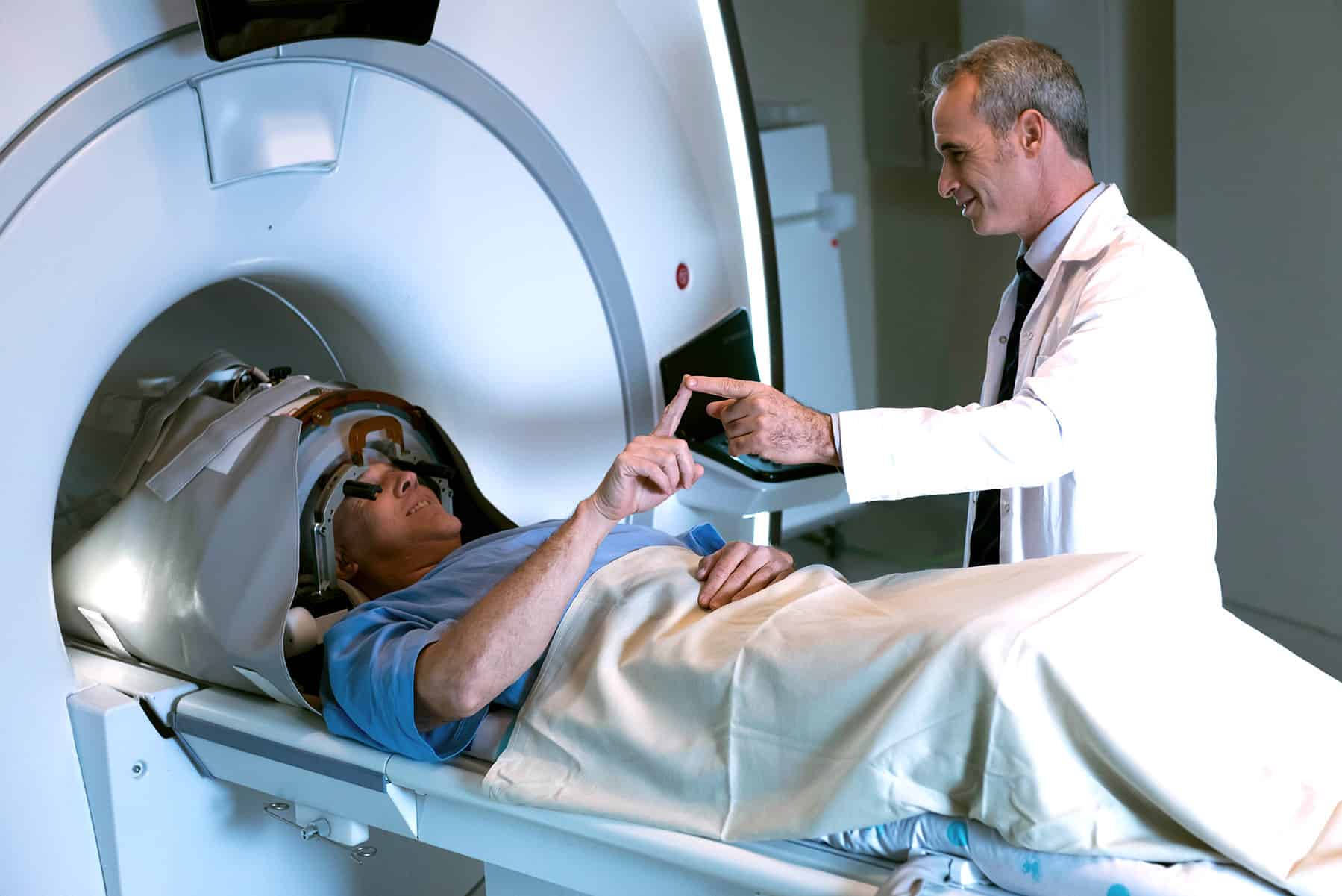
Most craniotomies are performed with the assistance of computerized navigation
techniques, also known as ‘stereotaxy’. This is done order
to improve the accuracy of the surgery, reduce the size of the incision
and bone window removal, and increase the safety of surgery by avoiding
important structures in the brain.
Stereotaxy works like a satellite navigation or GPS system in your
car. It allows the surgeon to use a wand or a pointer to see exactly
where he or she is in the brain or on the skull, as depicted on a CT
or MRI scan within the operating theatre. This real-time navigation facilitates
the targeting of the tumour or other abnormality being addressed.
There are two types of stereotaxy. The original type is frame-based,
where a special frame (for example the CRW frame) is fixed to the skull,
the relevant scans performed, and the frame stays on during the surgery.
This is a very accurate system, but has the disadvantages of inconvenience,
additional time requirements, restricted surgical access to some regions
of the head, and patient discomfort (if the patient is awake when the
frame is put on). Despite these disadvantages, frame-based systems continue
to be used in some situations, and are slightly more accurate than frameless
systems.
The second (and more popular) type of stereotaxy is frameless stereotaxy.
These systems, such as the Stealth and BrainLab, rely on the application
of small markers (‘fiducials’) which are stuck to the patient’s
head before the brain scan is performed. Anatomical landmarks such as
the nose, eyes and ears may be used instead of fiducials, as well as
newer surface tracing techniques which do away with the need for fiducials
and anatomical landmarks in some situations.
Frameless stereotaxy is slightly less accurate than the frame-based
systems, however its numerous obvious advantages have meant that it is
used by the vast majority of contemporary neurosurgeons performing brain
surgery.
Whilst frameless sterotaxy represents a tremendous advance in the field
of neurosurgery, it is not infallible. All stereotactic techniques suffer
from the limitations imposed by ‘brain shift’, the phenomenon
whereby the brain moves after part of a tumour or some brain (cerebrospinal)
fluid (CSF) is drained. Its utility therefore declines as the operation
progresses. A potential solution to brain shift is intraoperative MRI,
which allows the surgeon to see exactly where he or she is once some
of the tumour has been removed.
What are the alternatives to craniotomy?
The alternatives to surgery depend upon the condition being treated:
- Brain tumours
- Stereotactic biopsy through a small hole (burr hole) in
the skull. This can be used to obtain a diagnosis and may enable
the drainage of some fluid from a tumour cyst to relieve raised
intracranial pressure.
- Radiotherapy. This may be delivered to the entire brain
(whole brain radiotherapy) or to the area of and surrounding
the tumour. Not all tumours are amenable to radiotherapy.
- Stereotactic radiosurgery. This involves blasting the tumour
with a single treatment session of concentrated radiotherapy.
It may be useful for small tumours, as well as deep tumours
which may not be amenable to surgery. The Gamma Knife is the
best-known system.
- Chemotherapy. These may be given in oral (tablet) form,
or into the bloodstream (intravenous). Not all tumours are
amenable to chemotherapy.
- Trauma
- There are extremely limited alternatives to craniotomy for
the treatment of many types of head injury, as severe pressure
on the brain can be rapidly lethal and usually needs to be
relieved urgently.
- Intracranial pressure monitors are often inserted via a
very small hole in the skull to measure the pressure inside
the head. This may be done as a stand-alone procedure in some
cases, or in association with a craniotomy to evacuate a blood
clot.
- Raised intracranial pressure is frequently treated via non-operative
means in the intensive care unit setting.
- Cerebral aneurysms and arteriovenous
malformations (AVMs)
- The alternatives to surgery for cerebral aneurysms include:
- No treatment. This may be appropriate for aneurysms
which are thought to have a very low chance of rupturing
over the life of the patient, or where the patient is
too unwell or extremely elderly.
- Endovascular coiling. Many aneurysms are treatable with
coiling, which avoids the need for brain surgery. A catheter
is inserted into an artery in the groin and fed up into
the brain. Tiny coils are then used to ‘pack’ the
aneurysm from within, until it is completely excluded from
the circulation.
- The alternatives to surgery for AVMs include
- No treatment. This may be appropriate for AVMs which
are thought to have a very low chance of rupturing or
causing other problems over the life of the patient,
or where the patient is too unwell or extremely elderly.
- Endovascular treatment by filling the AVM with a glue-like
substance using a similar approach to that for aneurysm
coiling. This may be used alone, or in combination with
surgery.
- Stereotactic radiosurgery. Some AVMs may be successfully
treated with radiosurgery, for example using the Gamma
Knife.
- Pain
- Pain medications
- Psychological strategies
- Other surgical strategies, including:
- Percutaneous radiofrequency lesions, glycerol injections,
and balloon rhizotomies.
- Deep brain stimulation.
- Spinal cord stimulation.
- Epilepsy
- Anti-epileptic medications to control seizures.
- Vagal nerve stimulation (stimulation of a nerve in the neck).
- Deep brain stimulation.
- Infection
- Antibiotics alone (if the amount of pus is small and the
organism is known).
- Stereotactic aspiration (drainage) through a small hole
(burr hole) in the skull.
What tests will be required before surgery?
A number of diagnostic tests are often performed before surgery is recommended
or carried out. In some cases the diagnosis will be fairly certain
before the operation, but in many cases the exact problem will not
be clear until surgery is carried out.
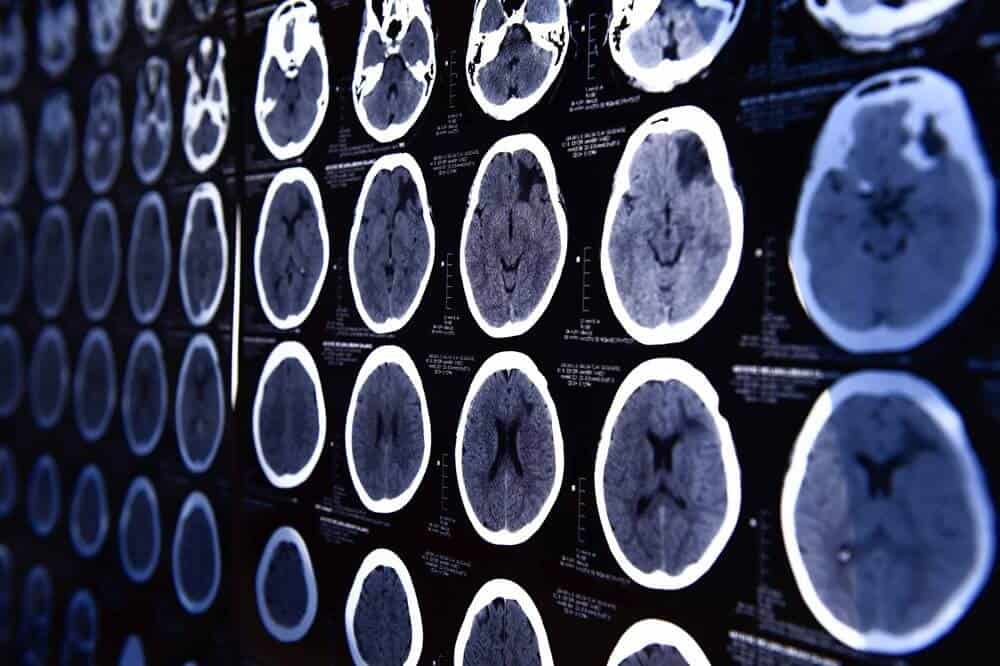
A brain CT scan is the usual initial investigation that most patients
will have had before being referred to a neurosurgeon.
The following investigations may then be ordered:
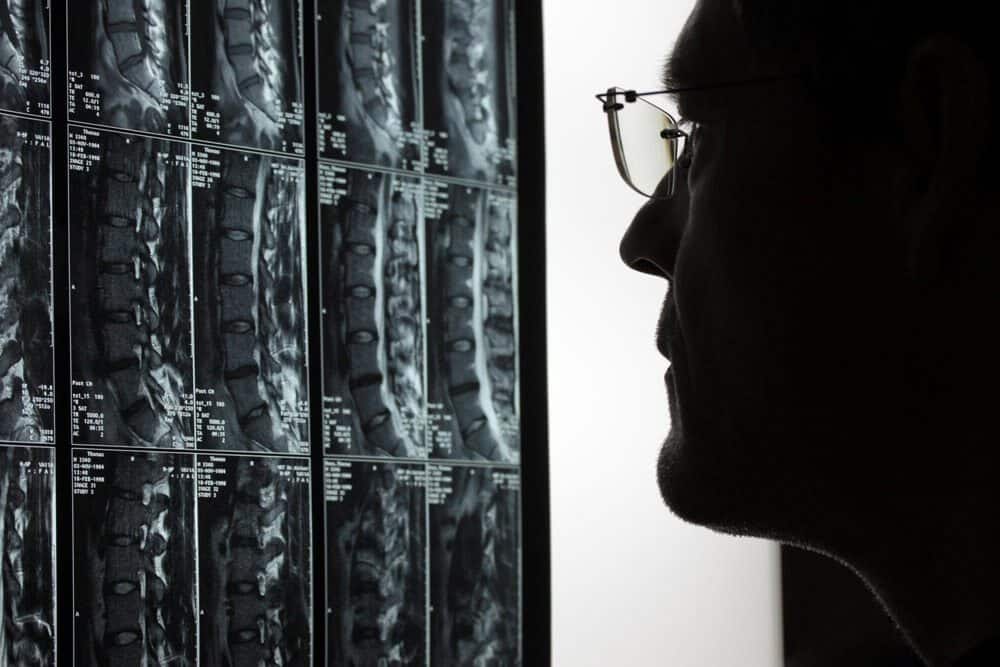
1. MRI Brain
This gives much more detail than a CT scan, and is important for
surgical planning. It may also detect smaller tumours and vascular
malformations which may be missed with CT.
2. Magnetic resonance spectroscopy (MRS)
MRS gives information about the likely chemical composition of the
tumour, and therefore its probable diagnosis. It can be done at the
same time as the MRI in some institutions.
3. Positron Emission Tomography
(PET) and Single Photon Emission Computed Tomography (SPECT) brain
scans
These give information about the blood flow and metabolic activity
of a mass within the brain. They are frequently useful in differentiating
between a recurrent tumour and the effects of radiotherapy, both of
which may look identical on MRI.
4. Cerebral angiography/CT angiogram
(CTA)/Magnetic resonance angiogram (MRA)
These tests provide detailed information about the appearance of blood
vessels in the brain. Angiography may be helpful where a tumour appears
very vascular, or where a diagnosis of a vascular malformation or aneurysm
is being considered.
5. CT Chest, Abdomen and Pelvis/Nuclear
Medicine Bone Scans/Breast Ultrasound or Mammogram
These scans help to pick up tumours elsewhere in the body. This process
of "staging" is frequently important in deciding the best
way to manage brain metastases.
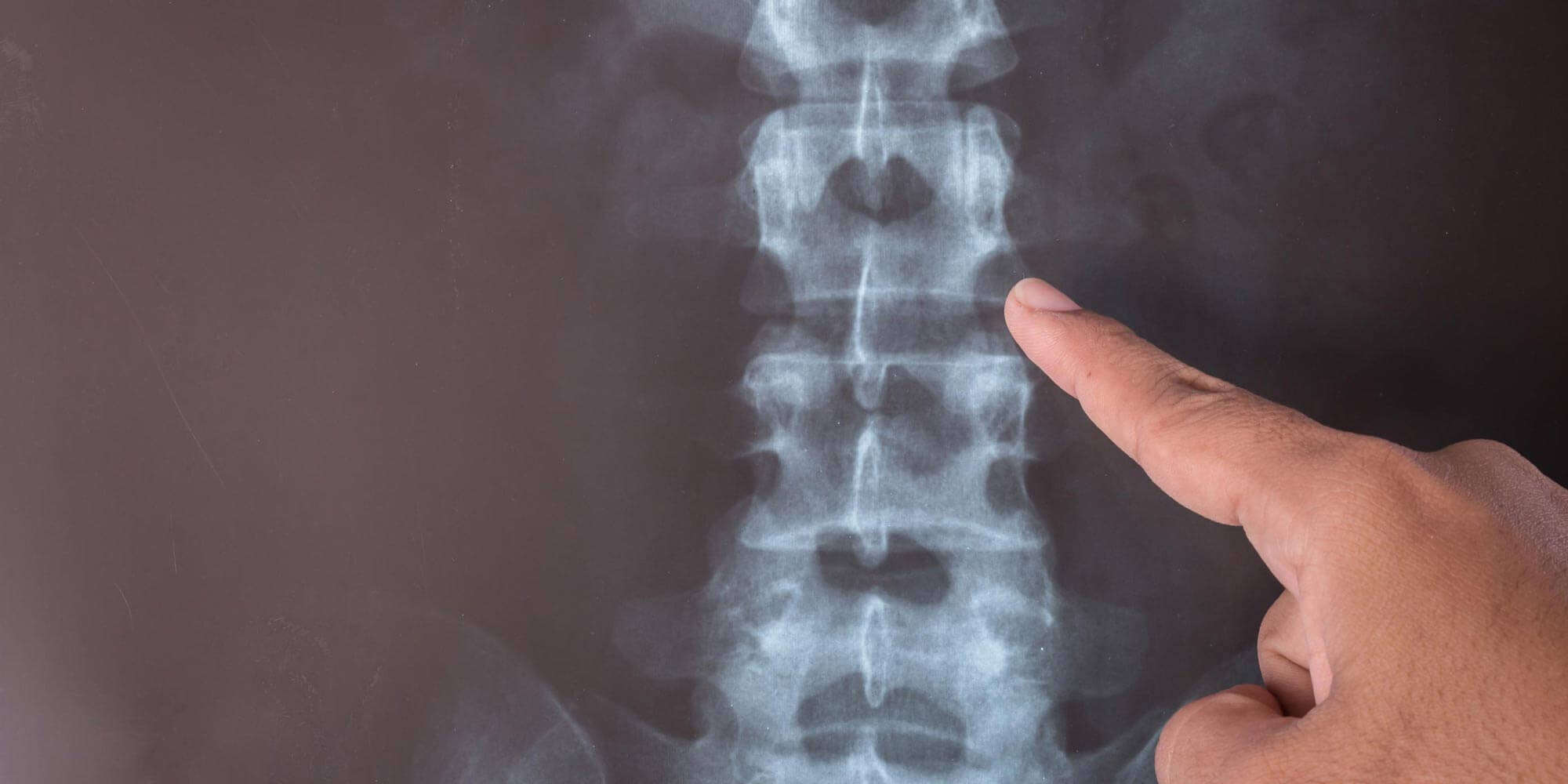
6. Plain X-rays of the skull are rarely needed nowadays.
What do you need to tell your neurosurgeon before surgery?
Modern neurosurgery is generally fairly safe, but serious complications
can always occur. In order to reduce the risks associated with your
surgery, it is important for your surgeon and anaesthetist to be aware
of certain health problems and medications.
It is important that you tell your surgeon if you have:
- Blood clotting or bleeding problems
- Ever had blood clots in your legs (DVT or deep venous thrombosis)
or lungs (pulmonary emboli), or if anyone else in your family has
- Been taking aspirin, warfarin, or anything else (even some herbal
supplements) that might thin your blood
- High blood pressure
- Any allergies or reactions to medications or tapes
- Excessive scarring (keloid) or poor healing after surgery
- Any other health problems
You should tell your anaesthetist if you have:
- Heart problems or chest pain
- Respiratory (breathing) problems
- Diabetes
- High blood pressure
- Previous problems with anaesthesia
Your surgeon and/or anaesthetist may order several additional tests
before surgery, including:
- Blood tests (for anaemia, blood clotting problems etc.)
- ECG (to examine your heart electrical activity)
- Chest X-ray
Special precautions
If you are a smoker it is imperative that you stop 3 or 4 weeks before
surgery, and should not resume smoking for at least a few months afterwards
(but preferably never!).
It is important that you stop certain drugs before surgery, especially
ones that thin your blood. If you are taking aspirin, warfarin, or other
blood-thinning agents (including herbal products) it is very important
that you contact us two weeks before your admission so that we can discuss
stopping them with you. If you are taking warfarin we may need to admit
you earlier but each case varies, so it is important that you phone and
we can discuss the plan for you.
Obviously, in situations where your surgery is urgent, we will take
other precautions to avoid or minimise bleeding that may arise from any
medications you have been taking.
What are the specific risks of this type of surgery?
As with all types of surgery, there is a risk of complications, and the
likelihood of these will depend upon your condition and exactly what
procedure is being undertaken. You should discuss your specific circumstances
with your neurosurgeon.
Whilst the majority of patients will not have any complications, there
is a small risk of problems. In general the risks of craniotomy include,
but are not limited to:
- Stroke or haemorrhage
- Infection
- Seizures
- Impaired speech (dysphasia), with problems either understanding
speech or actually speaking
- Blindness
- Deafness
- Memory loss
- Cognitive impairment (problems with your thinking)
- Swallowing impairment
- Balance problems
- Hydrocephalus (fluid build-up within the head necessitating a ventricular
drain or shunt)
- Numbness of the skin around the scalp incision
- Headaches (these usually settle after a couple of weeks following
surgery, but may last longer)
- Cosmetic issues, with a small dimple in the skull where the holes
were drilled.
- Death
What are the risks of anaesthesia and the general risks of
surgery?
- Significant scarring (‘keloid’)
- Wound breakdown
- Drug allergies
- DVT (‘economy class syndrome’)
- Pulmonary embolism (blood clot in lungs)
- Chest and urinary tract infections
- Pressure injuries to nerves in arms and legs
- Eye or teeth injuries
- Myocardial infarction (‘heart attack’)
- Stroke
- Loss of life
- Other rare complications
What does the operation involve?
Anaesthetic and Preparation
A general anesthetic is given and a breathing (‘endotracheal’)
tube is inserted. Intravenous antibiotics, and frequently dexamethasone
(steroids which reduce some types of brain swelling) and anticonvulsants
(medications to prevent seizures) are administered. A catheter is
often placed in the bladder (this will be removed the next day).
A dehydrating agent, such as mannitol, is often given in an attempt
to control brain swelling.
The patient is then positioned according to the area of the brain
that must be operated upon. The hair over the incision area is then
clipped and shaved, and the frameless stereotactic navigation system
is set up. Local anaesthetic and adrenaline are then injected into
the proposed incision site.
Incision
A curved or straight incision is made in the scalp over the appropriate
location. The scalp flap is then gently pulled back to expose the
skull.
Craniotomy
One or more small holes (burr holes) are drilled in the skull with
a high speed drill. This sounds dangerous but is actually quite safe
in skilled hands. A surgical saw (craniotome) is then used to connect
the burr holes and create a "window" in the skull through
which brain surgery will take place. The removed piece of bone (bone
flap) is kept sterile, and is usually secured back in position at
the end of the operation.
What happens next?
When the dura (lining over the brain) is exposed, an assessment of
the likely location of the underlying pathology is performed. The
dura is then incised with a scalpel and scissors, and the underlying
brain is exposed.
The next step depends upon the underlying pathology and reason for
surgery. This may include:
- Biopsy or removal of tumour.
- Drainage of haematoma (blood clot) or abscess (infection).
- Clipping of an aneurysm or removal of an arteriovenous malformation
(AVM).
- Removal of a portion of the brain which is causing epilepsy.
- Elevation of a depressed skull fracture
Once the problem has been dealt with, any ongoing bleeding is stopped,
and the dura is stitched back together.
Replacement of bone
After the dura has been stitched back together, the piece of bone that
was removed is replaced and secured using small plates and screws,
or several small clamps which hold the bone flap fairly firmly.
An intracranial pressure monitoring device is sometimes implanted,
and a drain is sometimes placed within the fluid channels in the middle
of the brain (the ventricles).
If there are significant defects in the skull from the drilled holes
(which may cause cosmetic issues or feel may uncomfortable when combing
your hair) these will be filled and the skull recontoured using acrylic
or titanium. This is known as a reconstructive cranioplasty.
Incision closure
The operation is completed when the incision is closed, usually in
two or three layers. Unless dissolving suture material is used, the
skin staples will have to be removed after the incision has partially
healed (usually around 7 days after surgery).
What happens next?
Neurological Observation
You will be transferred to the recovery room immediately after surgery,
where you will wake up. The recovery room nurses will monitor you
closely, particularly in relation to your level of consciousness,
arm and leg strength, as well as breathing, blood pressure and
heart rate.
Once you are more awake and relatively stable, you will be moved
to the neurosurgical high dependency unit or a closely monitored bed
on the neurosurgery ward, where your condition can be closely monitored
for around 24-48hrs. These highly specialised areas provide ongoing
close observation with highly-trained nursing care.
The first 24 hours after surgery represents the period of highest
risk for post-operative bleeding. Your blood pressure will be kept
under control and your level of consciousness will be watched closely.
In some cases a monitor may be used to measure the pressure inside
your skull. A CT or MRI scan is often performed the day after surgery
to make sure things are satisfactory. When fully conscious and completely
stable, you will be returned to your regular room.
Postoperative Pain and Nausea
A dull headache is common, but is usually all the post-operative pain
that is expected. Pain medication will be ordered for this. Nausea
and vomiting may also occur, and these will be treated with medications.
Incision care
The incision will be covered with a dressing, and sometimes a crepe
bandage. The wound is usually checked, cleaned and redressed 3 or
4 days after surgery. The staples are usually removed 7 or 8 days
after surgery. The wound must be kept dry for the first 2 weeks following
g your operation.
Fluid Replacement and Nutrition
Intravenous fluids will be ordered during the early recovery period
and continued until you are fully awake and tolerating a reasonable
amount of liquid by mouth. For the first few days, all fluids intake
and output will be carefully monitored, due to the danger of brain
swelling lessens.
Emotional changes
Brain surgery is generally fairly stressful, both physically and psychologically.
It is common to feel discouraged and tired for several days after
surgery. This emotional let-down imust not be permitted to obstruct
the positive attitude essential to recovery and a return to fairly
normal activity.
Discharge
The amount of time spent in the hospital may be different for each
patient, and will depend upon the condition for which you underwent
a craniotomy, as well as your post-operative recovery. Discharge
is planned in consultation with the patient, their family, as well
as the physiotherapist, occupational therapist, nursing staff, and
neurosurgeon. Some patients are able to be discharged home, but others
require a period of inpatient rehabilitation to optimize their outcome
and make it as safe as possible for them to return home.
What happens after I am discharged from hospital after brain
surgery?
If a significant neurologic deficit remains after surgery, a period of
rehabilitation is often necessary to maximise your improvement. Otherwise
you are likely to be discharged home.
Your GP should check your wounds 4 days after discharge. We will advise
you when to have your staples removed at your GP's surgery or by the
Precision Neurosurgery Practice Nurse (this is usually 7-8 days after
surgery). You should not sign or witness any legal documents until you
have been seen by your GP. You will need to take it easy for 6-8 weeks.
In summary, you should try to do around an hour of gentle exercise,
such as walking, every day. You will be reviewed after 6-8 weeks by your
neurosurgeon. You should not drive a motor vehicle, operate heavy machinery,
or return to work until your neurosurgeon gives you the go ahead.
What follow-up is required?
Your neurosurgeon will review you 6-8 weeks after discharge, but will
see you sooner if there are any problems. You will need to see your
GP frequently during that time, so that your wound can be monitored
for signs of infection, and your medications can be adjusted.
Before returning to see your neurosurgeon, a CT scan or MRI may be
arranged. Blood tests may also be organized. This will depend upon your
specific circumstances.
You should keep in contact with the Precision Neurosurgery Registered
Nurse, and relay any concerns to her.
What are my discharge instructions after craniotomy?
These discharge instructions will vary according to the nature of your
condition, exactly what type of craniotomy was performed, and your
post-operative course. Your Neurosurgeon and/or the Precision Neurosurgery
Registered Nurse will give you specific advice which should be followed.
The following instructions are a guide for the ‘average’ craniotomy
patient:
Whilst most patients will be discharged home after their surgery, some
may benefit from a period of inpatient rehabilitation, whilst others
may be transferred to another type of medical or nursing facility. Some
patients will benefit from ongoing treatment (either as an outpatient
or inpatient) by a physiotherapist, occupational therapist, or speech
therapist.
You are encouraged to set a flexible plan for your recovery, and should
work slowly and steadily to increase your physical and mental tolerance.
During the first week at home, you should relax and just move around
at will. Lifting anything over 2-3kg is discouraged for the first two
or three months. Over the first few months after surgery, it is common
to feel tired and you should rest frequently.
Your dressing will be changed a few days after surgery, and can be removed
a week or so later. Once the dressing is no longer required, you can
wear a clean hat or scarf until your hair has re-grown. The staples are
generally removed at 7-8 days post-op.
You can shower and gently wash your hair with shampoo, but you should
keep your wound dry for the first 2 weeks after surgery. The best way
to do this is to wear a shower cap. Avoid hair products such as mousse
or gels, as well as hair colourants and perms for at least 2 months after
surgery.
Walking is the best exercise to undertake after brain surgery. Commence
a walking program your second week home and increase the time and distance
as each week passes. Aim for 1-2 hours per day on flat ground after two
months.
You should avoid riding bicycles or running for at least two months.
Other activities should be discussed with your neurosurgeon or the Precision
Neurosurgery Registered Nurse.
You can resume sexual activity when you feel comfortable, but this should
not be too vigorous for the first month or so after surgery.
Driving should be discussed with your neurosurgeon, as these guidelines
vary from State to State, as well as from patient to patient.
The window of bone that was created to perform your operation has been
secured in place with either small clamps or some plates and screws.
These clamps or plates hold the bone fairly securely, but it usually
takes up to 12 months for the bone window to fuse to the surrounding
skull via growth of new bone across the narrow gap.
It is likely that you will be prescribed medications on discharge, and
specific instructions will be given to you relating to how long you need
to take them for, and how to reduce and stop (‘wean’) them.
Such medications may be for:
- Pain
- Nausea
- Brain swelling reduction
- Seizure prevention
- Stomach ulcer prevention
What is “normal” after a craniotomy?
The following are common problems encountered by many patients, and usually
do not mean anything serious is wrong:
- Headaches: these are usually
present daily to some degree, and may persist for a number of weeks.
They will change in their location, character and severity as the
bone heals and the scalp nerves regenerate.
- Numbness: this
is common, and arises because the skin nerves have been cut. The area
of numbness usually decreases over weeks to months, but sometimes does
not disappear completely.
- Concentration: this
is usually impaired for weeks to months after craniotomy. It is common
to find difficulty focusing on tasks, you may need to re-read information
in order to retain it. These symptoms tend to get better with time.
- Emotional instability (lability): you
may experience depression, crying spells, anxiety, and sensitivity
to noise or people in crowded places. Try to relax and take it easy.
Spend more quiet time. If you have major problems with these symptoms
and cannot relax, call us and we will arrange for you to see a Clinical
Psychologist to receive some strategies to do so.
- Tiredness and fatigue: these
are very common, and gradually improve.Once you commence a regular
walking program, you will start to feel more energy.
It is common for it to take up to 3 months before you feel “well” again.
Have plenty of rest during the day and eat healthy foods. Do not drink
more than a small amount of alcohol during this time. Get up at your
regular time and get plenty of sleep. Your internal clock would have
been severely deranged during your hospitalisation, and it takes some
time to return to normal.
What should you notify your neurosurgeon or the Precision Neurosurgery
Registered Nurse of after surgery?
- Increasing headache which is unrelieved by pain medication
- Fever (high temperature) or chills
- Swelling or infection of the wound (redness, increasing pain or
tenderness)
- Leakage of fluid from the wound, or any opening in the wound after
the staples have been removed
- Fitting (seizures) or fainting spells
- Abnormal sensations or movements in your face, arms or legs
- Weakness or numbness
- Drowsiness
- Problems with balance or walking
- Nausea or vomiting
- Pain in the calf muscles or chest
- Shortness of breath
- Any other concerns
What are the costs of surgery?
Private patients undergoing surgery will generally have some out-of-pocket
expenses.
A quotation for surgery will be issued, however this is an estimate
only. The final amount charged may vary with the eventual procedure undertaken,
operative findings, technical issues etc. Patients are advised to consult
with their Private Health Insurance provider and Medicare to determine
the extent of out-of-pocket expenses.
Separate accounts will be rendered by the anaesthetist and sometimes
the assistant, and hospital bed excess charges may apply. Medical expenses
may be tax deductible (you should ask your accountant).
You should fully understand the costs involved with surgery before going
ahead, and should discuss any queries with your surgeon.
What is the consent process?
You will be asked to sign a consent form before surgery. This form confirms
that you understand all of the treatment options, as well as the risks
and potential benefits of surgery. If you are unsure, you should ask
for further information and only sign the form when you are completely
satisfied.
Other frequently asked questions about brain surgery
What happens at the time of your
admission?
Patients are usually admitted to hospital either the day before,
or on the morning of surgery. In situations where a number of investigations
(scans etc) or consultations are needed you may be admitted a couple
of days before surgery. On admission you will be assessed by a physician
and a nurse. Blood tests and sometimes an ECG are done to make sure
you are fit for surgery. You will also meet the anaesthetist at some
stage before your operation.
I’ve been told I’ll need
a Stealth or Brainlab Scan. What is this?
A stealth scan is frequently used by neurosurgeons to help them pinpoint
the exact location of a tumour, blood clot, or specific area in the
brain. This makes your surgery safer.
Either the day before or on the morning of surgery you will undergo
a brain scan, either a CT or an MRI. This information is loaded into
a computer in the operating theatre in order to generate an exact three-dimensional
image of your head and brain which can be closely correlated with your
real brain during surgery.
Small round surface markers called ‘fiducials’ are stuck
to the forehead and scalp. It will be necessary to shave a small amount
of hair to ensure that the fiducials make proper contact with the skin
and don’t fall off. The markers stay in place until surgery where
they are ‘seen’ by the computer. It is important you do
not pick the fiducials off or wash your hair before surgery, as they
are likely to fall off.
How long will surgery take?
Surgery can take as little as an hour, but may take a number of hours.
This depends upon a number of technical factors. You will usually
be in the recovery room for an hour or so immediately after you wake
up, and in total you will be away from the ward for at least a few
hours.
What can I expect after surgery?
You will wake up in the recovery room of the operating theatre shortly
after surgery is over. You be transferred back to the neurosurgery
ward or high dependency unit once you are awake.
When you wake up form surgery you may experience a headache and nausea,
both of which are treated with medications.
The incision will usually be closed with clips (staples), which will
be removed around a week after surgery. You will be given a staple
remover so that these can be removed by GP, however in some situations
they can be removed by the Precision Neurosurgery Registered Nurse.
Your wound may feel uncomfortable for several weeks after surgery,
and it is usual for the skin around the incision to feel unusual as
the wound heals and the nerves re-grow. These sensations typically
resolve over a couple of months, but occasionally persist in the long
term.
Headaches are very common following brain surgery, and often take
a few months to settle. Mild pain medications (such as paracetamol)
usually suffice, and you should contact your GP or the Precision Neurosurgery
Registered Nurse if the headaches persist despite such medications.
The scar and surrounding skin may appear bruised for several days.
Your eye may be bruised and swollen, but this settles over a week or
so. The hair which was shaved begins to re-grow fairly soon after surgery,
and the scar (which is ordinarily behind the hairline) fades to a less-noticeable
pale thin line over 6-12 months.
How to I get my life back to ‘normal’ after
surgery?
You can gently wash your hair around two weeks after surgery. It is
recommended that you use a gentle shampoo for this. It is advised that
you avoid hair dyes and perms for a couple of months as these may irritate
the incision.
You are advised to avoid flying for around one month after your operation,
due to the possibility that changes in cabin pressure may cause problems
if you have some air left in your head after surgery.
You can resume light work around the house and a gentle exercise program
as soon as you feel fit. How quickly you can return to work will depend
upon the nature of your job, and it is best to discuss this with your
neurosurgeon.
You are advised to avoid contact sports such as boxing or rugby for
at least 12 months. It is safe to resume sexual activities once you
feel capable.
Drinking a small amount of alcohol is safe, but you may be more susceptible
to the mind-altering effects of alcohol after brain surgery, and there
is also an increased risk of you having a fit or seizure if you drink
larger amounts.
|