What is an anterior lumbar interbody fusion (ALIF)?
A spinal fusion is a surgical procedure which results in two or
more bones being joined together in a solid and stable fashion
by bridges of bone between them. The aim is to stop movement
across that particular segment of the spine.
An anterior lumbar interbody fusion (ALIF) is an operation on
the lower back which is performed from the front, in other words
through the abdomen. It is most commonly used to treat lower back
pain resulting from a damaged or degenerate intervertebral disc,
or spondylolisthesis (slippage of one bone on the other). The goal
is to stabilise the spine so that pain (and sometimes deformity)
is reduced.
Anterior lumbar interbody fusion (ALIF) involves the removal of
one or more intervertebral discs and the joining of two or more
spinal bones (vertebrae) together using screws and a cage.

Why might I need an ALIF?
An ALIF is advised for some patients who may have the following
conditions:
- Discogenic lower back pain (pain arising from the intervertebral
disc)
- Spondylolisthesis (slippage of one vertebra on another, with
pain and instability)
Surgery is usually recommended when all reasonable conservative
measures (pain medications, nerve sheath injections, physical
therapies, braces etc.) have failed.
When is an ALIF not recommended?
An ALIF may not be recommended when there is:
- Obesity (this makes the approach difficult)
- A history of multiple abdominal surgeries (this may make
the approach hazardous)
- Significant pressure on the spinal nerves (this requires
a decompressive procedure, which is performed from the back)
In some cases, an ALIF may be followed by a posterior decompression
and/or stabilisation procedure.
How is the diagnosis made before deciding upon surgery?
Making the diagnosis usually requires taking a history of the problem,
as well as a neurological examination. The history (symptoms
or complaints obtained from the patient) is the most important
aspect of the assessment.
Important questions often include:
- Has there been an injury?
- Where is the pain?
- Is there any numbness?
- Is there any weakness?
- Have you had the same or a similar problem in the past?
- Have you had any weight loss, fevers, or illnesses recently?
- Have you had cancer in the past?
- Are there any problems when you urinate or open your
bowels?
Investigations are extremely important, and may include the following:
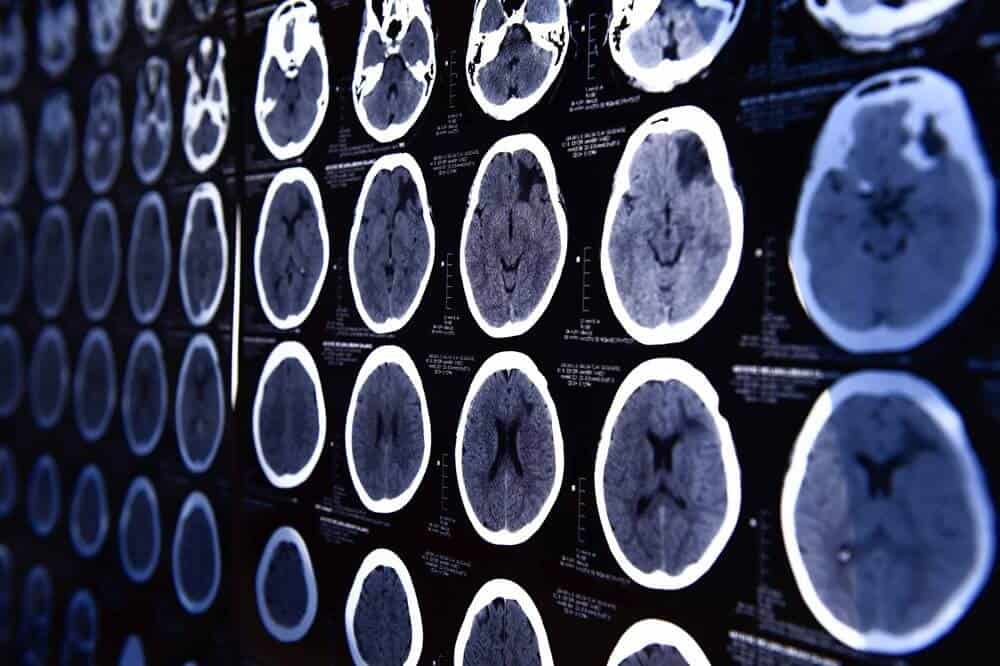
- CT scan
- usually an early investigation
- shows the anatomy of the bone and joints very well
- an abdominal CT scan will show the position of the blood
vessels in relation to the discs, and helps with surgical
planning
- MRI scan
- gives more detailed information about the discs and nerves
- CT Myelogram
- usually performed if an MRI cannot be carried out for
some reason
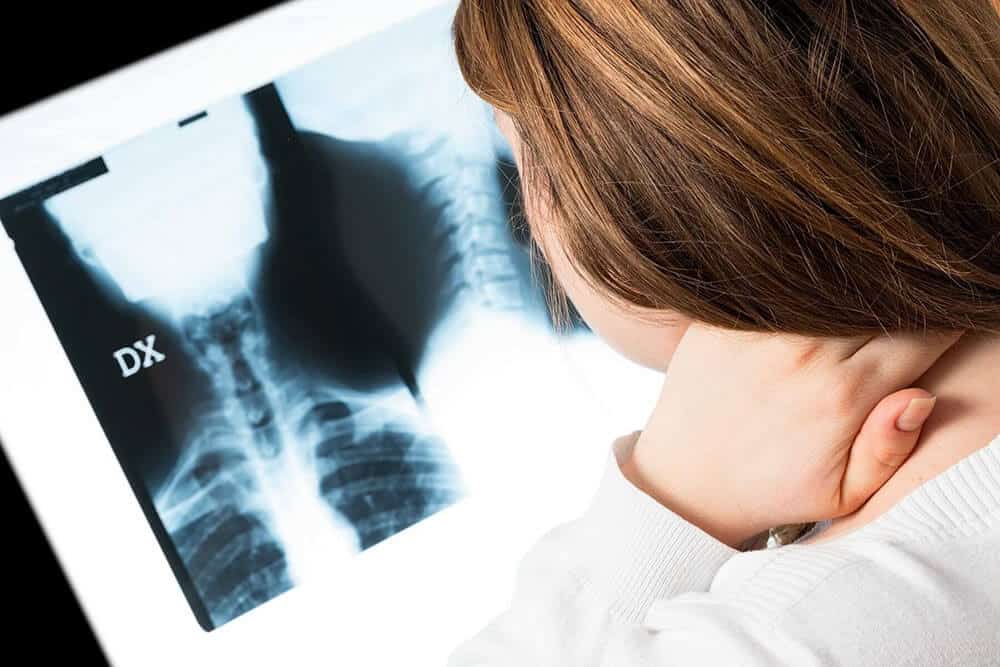
- Standing X-rays and X-rays taken bending forward
and backward (flexion-extension X-rays)
- to assess for potential spondylolisthesis and instability
- Nerve conduction studies and/or a nerve sheath injection
with local anaeasthetic
- to confirm which nerve (or nerves) is causing the symptoms
- Facet joint blocks and/or a nuclear medicine scan
(lumbar SPECT)
- if pain arising from the facet joints is suspected
- Provocative lumbar discogram
- if pain arising from an intervertebral disc is suspected
- Nuclear medicine bone scan
- if cancer of the spine is suspected
- Bone density scans (DEXA scan)
- if osteoporosis is suspected
Sometimes a second opinion from another neurosurgeon or a
neurologist, pain physician, orthopaedic surgeon or rheumatologist
may be sought.
What are the alternatives to an ALIF?
A number of alternatives to a ALIF may exist, depending upon
your individual circumstances. These include:
- Pain medications. A number of medications may be useful
for pain. These include the standard opioid and non-opioid
analgesic agents, membrane stabilising agents and anticonvulsants,
as well as the most recent agent to be released- Pregabalin.
Special medical treatments such as Ketamine infusions may
be appropriate in some situations.
- Nerve sheath injections. Local anaesthetic may be injected,
under CT scan guidance, around the compressed nerve. This
is also known as a ‘foraminal block’. Patients
frequently obtain a significant benefit from this procedure,
and surgery can sometimes be delayed or even avoided. Unfortunately,
the benefit obtained from this procedure is usually only
temporary, and it tends to wear off after several days, weeks,
or sometimes months. This procedure is also an excellent
diagnostic tool, especially when the MRI scan suggests that
multiple nerves are compressed and your neurosurgeon would
like to know exactly which nerve is causing your symptoms.
- Physical therapies. These include physiotherapy, clinical
pilates, osteopathy, hydrotherapy, chiropractic, acupuncture
and massage.
- Activity modification. Sometimes simply modifying your
workplace and recreational activities, to avoid heavy lifting,
prolonged sitting, and repetitive bending and twisting, allows
the healing process to occur more quickly.
- Other surgical approaches. These include:
- lumbar microdiscectomy
- lumbar decompression (also known as a laminectomy and
rhizolysis)
- non-instrumented fusion: where bone is laid down without
using screws or cages to stabilise the spine
- posterolateral instrumented fusion: where screws are placed
but the disc space is not fused by inserting a cage
- posterior lumbar interbody fusion (PLIF)
- transforaminal lumbar interbody fusion (TLIF)
- artificial disc replacement (arthroplasty)
- disc nucleus replacement (nucleoplasty)
- spinal cord stimulation
You should discuss these alternatives, together with their
potential benefits and risks, with your neurosurgeon.
How does an ALIF compare with other types of fusion surgery?
An ALIF approach has several advantages over spinal fusions performed
from the back (via a posterior approach), including PLIF, TLIF,
and posterolateral fusion:
- the muscles of the lower back remain undisturbed,
with less postoperative back pain
- the spinal nerves are not manipulated, so there is less
chance of nerve damage
- more extensive disc removal and disc space preparation
is undertaken, with better fusion rates
The main disadvantage of an anterior approach is that the spinal
nerves cannot be decompressed (when this is required, a posterior
approach is indicated).
What are the potential benefits of an ALIF?
The goals of an ALIF may include:
- Reduction of back pain
- Stabilisation of an unstable spine
- Medication reduction
- Prevention of deterioration
- Improved lower back and leg function
- Improved work and recreational capacity
- Improved quality of life
The chance of obtaining a significant benefit from surgery depends
upon a wide variety of factors. Your neurosurgeon will give you
an indication of the likelihood of success in your specific case.
What are the possible outcomes if treatment is not undertaken?
If your condition is not treated appropriately (and sometimes
even if it is), the possible outcomes may include:
- Ongoing pain
- Problems with walking
- Depression and anxiety
What are the specific risks of an ALIF?
Generally, surgery is fairly safe and major complications are
uncommon. The chance of a minor complication is around 4 or 5%,
and the risk of a major complication is 2 or 3%. Over 90% of
patients should come through their surgery without complications.
The specific risks of an ALIF include (but are not limited to):
- Failure to fuse (non-union)
- Fail to benefit symptoms or to prevent deterioration
- Worsening of pain
- Infection
- Blood clot in wound requiring urgent surgery to relieve
pressure
- Cerebrospinal fluid (CSF) leak: this risk is much higher
in revision (re-operation) surgery
- Surgery at incorrect level (this is rare, as X-rays are
used during surgery to confirm the level)
- Blood transfusion
- surgery is performed very close to the large blood vessels
that go to the legs
- injury to these large blood vessels may cause substantial
blood loss
- Screw and/or cage breakage, movement, or malposition,
sometimes requiring further surgery
- Cage or graft dislodgement (expulsion)
- Nerve damage (weakness, numbness, pain) occurs in less
than 1%
- Major neurological problems are fortunately rare, but
include:
- paraplegia (paralysed legs)
- incontinence (loss of bowel/bladder control)
- impotence (loss of erections)
- Chronic pain (may require further surgery)
- Failure to fuse (pseudoarthrosis)
- Adjacent segment disease (deterioration of the disc above
or below due to the extra stress caused by the fusion)
- Injury to the bowel, ureter (the tube running from your
kidneys to the bladder), or spermatic cord
- Retrograde ejaculation in men
- occurs in less than 5% of cases (the real figure is probably
closer to 1%)
- the nerves (known as the superior hypogastic plexus) that
control ejaculation are draped over the front of the L5-S1
disc
- these nerves are very sensitive, and ejaculation can be
disrupted
- ejaculation then occurs into the bladder, rather than
out through the penis
- erection and sex drive are rarely affected
- it often resolves with time (several months to a year)
- Incisional hernia (this may require corrective surgery)
- Post-operative ileus (slowing of the bowels, which usually
settles over a few days)
- Injury to the diaphragm or kidney
- Deep venous thrombosis and pulmonary embolism (formation
of blood clots in the leg veins, and these may break off
and travel to the lungs, which can be life-threatening)
- Death (this is extremely rare)
What are the risks of anaesthesia and the general risks of
surgery?
Having a general anesthetic is generally fairly safe, and
the risk of a major catastrophe is extremely low. All types
of surgery carry certain risks, many of which are included
in the list below:
- Significant scarring (‘keloid’)
- Wound breakdown
- Drug allergies
- DVT (‘economy class syndrome’)
- Pulmonary embolism (blood clot in lungs)
- Chest and urinary tract infections
- Pressure injuries to nerves in arms and legs
- Eye or teeth injuries
- Myocardial infarction (‘heart attack’)
- Stroke
- Loss of life
- Other rare complications
What are the implications of surgery?
Most patients are admitted on the same day as their surgery;
however some patients are admitted the day before.
Patients admitted the day before surgery include those who:
- reside in country regions, interstate, or overseas
- have complex medical conditions or who take warfarin
- require further investigations before their surgery
- are first on the operating list for the day
You will be given instructions about when to stop eating
and drinking before your admission.
Several X-rays of your back will be taken during surgery
to make sure that the correct spinal level is being fused,
and also to optimise the positioning of the screws and cage.
It is critical that you inform us if you are pregnant or
think you could possibly be pregnant, as X-rays may be harmful
to the unborn child.
You will wake up with a catheter (tube) in your bladder,
and a drip in your arm. These will be removed around 24 hours
after surgery. It is important that you get up and walk around
either on the evening of your surgery or the next day. You
will need to wear stockings to prevent blood clots after
your surgery.
A CT scan will be performed the day after surgery to check
the position of the screws and cage. You will be fitted with
a custom-made lumbar brace which you will need to wear whenever
you are walking or sitting for 3 months after surgery.
You will be in hospital for between 3 and 5 days after your
surgery (on average). This is occasionally followed by a
5-7 day period of inpatient rehabilitation.
You will be given instructions about any physical restrictions
that will apply following surgery, and these are summarised
later in this section.
There is significant variability between patients in terms
of the outcome from surgery, as well as the time taken to
recover. You will be given instructions about physical restrictions,
as well as your return to work and resumption of recreational
activities. You should not drive a motor vehicle or operate
heavy machinery until instructed to do so by your neurosurgeon.
You should not sign or witness legal documents until reviewed
by your GP post-operatively, as the anaesthetic can sometimes
temporarily muddle your thinking.
An important issue relating to spinal fusion is that by fusing
level of the spine, slightly increased stress is placed upon
the levels directly above and below the fusion. This increases
the risk of degeneration at these levels and, therefore,
the possibility that you may need further surgery in the
future. You should discuss this issue further with your neurosurgeon.
Fusion of the lumbar spine results in a degree of loss of
movement in the lower back, mainly in terms of bending forwards
and backwards. For a one level fusion, this loss of movement
is usually barely noticeable (if at all). There is usually
a small but definite loss of movement following a two level
fusion. Three or four level fusions are only occasionally
carried out, due to less satisfactory postoperative outcomes.
It is critical that you stop smoking for at least 12 months
after surgery (but preferably forever!). Smoking impairs
the fusion process and leads to worse outcomes after spinal
surgery.
How does revision lumbar spine
surgery differ from ‘virgin’ surgery?
The risk of complications from lumbar spine revision surgery
(surgery after a previous spinal surgical procedure) is significantly
higher than in first-time procedures. This is due to a number
of factors, particularly scar tissue formation around the
nerves and the distortion of the usual anatomical structures.
Spinal fluid (CSF) leakage from a hole in the lining over
the nerve roots is a significant risk, but is usually managed
successfully without serious long-term consequences.
It is also more difficult to relieve pain and restore function
in revision surgery, as the nerves may have been damaged
by longstanding compression and previous interventions.
It is important be aware that the possibility of experiencing
long-term back pain is increased with revision surgery.
What do I need to tell the neurosurgeon before surgery?
It is important that you tell your surgeon if you:
- Have blood clotting or bleeding problems
- Have ever had blood clots in your legs (DVT or deep venous
thrombosis) or lungs (pulmonary emboli)
- Are taking aspirin, warfarin, or anything else (even
some herbal supplements) that might thin your blood
- Have high blood pressure
- Have any allergies
- Have any other health problems
What do I need to do before surgery?
Before your surgery it is imperative that you stop smoking,
and you should not smoke for at least 12 months after. Smoking
impairs the fusion process and leads to worse outcomes following
spinal surgery.
If you are fairly overweight, it is advisable that you engage
in a sensible weight loss program before you surgery. Please
discuss this with your GP and neurosurgeon.
In order to prevent unwanted bleeding during or after surgery,
it is critical that you stop taking aspirin, and any other
antiplatelet (blood-thinning) medications or substances including
herbal remedies at least 2 weeks before your surgery.
If you normally take warfarin, you will usually be admitted
to hospital 3 or 4 days before your surgery. Your warfarin
will be ceased at that time (it takes a few days to wear
off) and you may be commenced on shorter-acting anti-clotting
agents for a few days. These can then be stopped a day or
so before surgery.
Ideally, you should take a Zinc tablet a day, commencing
one month before surgery, and continuing for 3 months after.
This should help wound healing.
Will I need further investigations?
Most patients will have had X-rays of their back, as well
as a CT scan and MRI. Sometimes standing and ‘dynamic’ X-rays
of the lumbar spine are performed, with X-rays taken leaning
forwards and backwards; this is to determine the presence
and site of any instability.
In some patients there is uncertainty either about the diagnosis
or exactly which disc or discs in the back are responsible
for their symptoms: in those patients, a provocative lumbar
discogram, nerve conduction studies and/or a nerve block
may shed light on the diagnostic issues.
If you have not had an MRI for over 12 months before your
surgery, or if your symptoms have changed significantly since
your most recent MRI, then this investigation will need to
be repeated to make sure that there are no surprises at the
time of surgery!
Who will perform my surgery? Who else will be involved?
Surgery will be carried out by your Precision Neurosurgery
surgeon.
An experienced vascular surgeon usually performs the approach,
in order to make the operation as safe as possible. You will
be reviewed by the vascular surgeon before a final decision
to proceed with an ALIF is made.
A surgical assistant will be present and an experienced consultant
anaesthetist will be responsible for your general anaesthetic.
How is an ALIF performed?
A general anaesthetic will be administered to put you to
sleep. A breathing tube (‘endotracheal tube’)
will be inserted and intravenous antibiotics and steroids
injected (to prevent infection and post-operative nausea).
Calf compression devices will be used throughout surgery
to minimise the risk of developing blood clots in your legs.
A catheter will be inserted into your bladder to prevent
bladder distension during surgery and to monitor urine output.
You will be placed face-up on the operating table.
Your abdomen will be cleaned with antiseptic solution and
some local anaesthetic will be injected.
An 8-12cm incision is made on the left side of the abdomen
or in the midline, usually just below your umbilicus (belly-button).
The abdominal muscles (rectus abdominus) are gently pulled
to one side and the sac containing the abdominal contents
(peritoneum) is similarly retracted. This is known as a retroperitoneal
approach.
Sometimes, a transperitoneal approach is utilised: the peritoneum
is incised and the abdominal contents retracted to approach
the spine more directly.
The large blood vessels that run to the legs (the aorta and
vena cava) are gently mobilised retracted off of the anterior
aspect of the spine. The ureter is also identified and protected.
At L5-S1, the superior hypogastric plexus is gently mobilized
to expose the disc space.
A small needle is then inserted into the disc and an x-ray
is performed to confirm that the surgeon is at the correct
disc is being exposed.
A microdiscectomy is performed. This is done by first cutting
the outer annulus fibrosis (fibrous ring around the disc)
and removing the nucleus pulposus (the soft inner core of
the disc). Disc removal is performed using a combination
of special instruments.
The boundaries of the disc space (the vertebral end-plates)
are then carefully prepared to facilitate fusion.
A special interbody cage (made of carbon fibre, PEEK, or
trabecular metal) is then inserted into the disc space and
secured in place with screws. This cage is typically filled
with a combination of bone shavings, tricalcium phosphate,
and bone morphogenetic proteins.
A final X-ray is taken and the wound is closed with dissolving
sutures or with staples.

What happens immediately after surgery?
It is usual to feel some pain after surgery, especially at the
incision site. Pain medications are usually given to help control
the pain. While tingling sensations or numbness is common, and
should lessen over time, they should be reported to your neurosurgeon.
Most patients are up and moving around within several hours of
surgery. This is encouraged in order to keep circulation normal
and avoid blood clot formation in the legs.
You will be able to drink after 4 hours, and should be able to
eat the next day (once you have developed bowel sounds).
A CT scan will be performed the next day to check the position
of the screws and cage.
You will be discharged home when you are comfortable, usually after
3-5 days.
What happens after discharge?
You will need to wear a special brace for 3 months after surgery
whilst you are sitting, standing or walking. You will need to take
it easy for 8 weeks, but should walk for at least an hour every
day. You should avoid sitting for more than 15-20 minutes continuously
during this time.
At 6-8 weeks it is likely that you will be able to return to work
on “light duties” and to drive a motor vehicle on short
trips. This, and the step-wise progression in your physical activities,
will be determined on an individual basis.
Bear in mind that the amount of time it takes to return to normal
activities is different for every patient. Discomfort should decrease
a little each day. Increases in energy and activity are signs that
your post-operative recovery is progressing well. Maintaining a
positive attitude, a healthy and well-balanced diet, and ensuring
plenty of rest are excellent ways to speed up your recovery.
Signs of infection such as swelling, redness or discharge from
the incision, and fever should be brought to the surgeon’s
attention immediately.
You will be reviewed after 6-8 weeks by your neurosurgeon. Until
then, you should not lift objects weighing more than 2kg, and should
not engage in bending or twisting movements.
The results of fusion surgery are not as good in patients who smoke
or are very overweight. It is therefore important that you give
up smoking permanently before your surgery and try to lose as much
weight as possible.
You should continue wearing your TED
stockings for a couple of weeks after surgery.
What are my discharge instructions following ALIF?
| Diet: |
Maintain normal
healthy diet, high in fibre to avoid constipation |
| Medications: |
You may be
prescribed analgesia (pain medications), muscle relaxants,
and stool softeners. Be aware that some pain medications can
cause constipation. Please take only the analgesia that has
been prescribed for you. |
| Activity: |
Allowances |
- |
Frequent
short walks (at least 1-2 hours per day) |
| - |
Travelling by car is allowed
for short distances. If you are making longer trips, break
the trip up into 20 minute segments, getting out of the car
for a few minutes to go for a short walk. |
| - |
Walking up and down stairs. |
| |
Restrictions(aimed
at protecting
your back
and allowing healing to occur) |
- |
No sitting for longer than
20 minutes at a time or as directed by your neurosurgeon |
| - |
Do not bend from the waist
(you should bend at the knees) |
| - |
No twisting |
| |
- |
No stretching or reaching
for items above your head |
| |
- |
Sleep with a pillow between
your knees when lying on your side |
| |
- |
Do not lift anything heavier
than 2kg for the first 6 weeks post-operatively. Light housework
only – no hanging washing out on the line, carrying baskets
of clothing, no vacuuming, lawn mowing. |
| |
- |
No driving for at least
6-8 weeks after surgery |
| |
- |
No vigorous exercising/playing
sports until you are cleared by neurosurgeon to commence these. |
| |
Strict
bed rest IS NOT required or recommended. |
| Smoking: |
Smoking impairs
wound healing and fusion. Stopping smoking will probably improve
outcomes. |
| Wound
Care: |
- You will have either dissolvable sutures or staples.
- Have GP check your wound 4 days after discharge.
A new dressing will be applied and this is to remain on
for a further 4 days then is to be removed. Staples will
usually be removed 7-8 days after surgery.
- Keep wound dry for 12 days after surgery.
- Shower if the dressing is intact. If the wound
becomes moist, it will need to be dried and a new dressing
applied.
- Report any redness, discharge, persistent oozing
or drainage from the wound to your GP or to the Precision
Neurosurgery Registered Nurse.
- Avoid swimming, spas or baths until your wound
has completely healed, or until you are cleared by your
neurosurgeon to commence these.
- Keep taking your Zinc tablets daily for 3 months
after surgery (this helps wound healing).
- You should gently rub Vitamin E cream into your
wound commencing 3 weeks after surgery and continuing for
6-12 months (this may reduce scarring).
|
What do I need to tell my surgeon about after the operation?
You should notify your neurosurgeon or the Precision Neurosurgery
Nurse Specialist, and should also see your GP if you experience
any of the following after discharge from hospital:
- Increasing leg pain, weakness or numbness
- Worsening back pain
- Problems passing urine or controlling your bladder
or bowels
- Problems with your walking or balance
- Fever
- Swelling, redness, increased temperature or suspected
infection of the wound
- Leakage of fluid from the wound
- Pain or swelling in your calf muscles (ie. below your
knees)
- Chest pain or shortness of breath
- Nausea or vomiting
- Severe constipation
- Any other concerns
What are the results of surgery?
Overall, over 75% of patients will obtain a significant benefit
from surgery, and this is usually maintained in the long term.
It is important to note that few patients become completely free
of symptoms- the goals are pain and medication reduction, as
well as prevention of deterioration.
Despite performing a technically satisfactory operation, a solid
bony fusion does not always occur. Patients can control certain
factors which may be important in determining whether or not
a solid fusion occurs, including:
- Smoking. It is advisable to quit smoking before undergoing
a spinal fusion procedure, and not to resume smoking afterwards.
Nicotine often prevents solid bone from bridging the disc space.
- Motion. Bone generally forms better if motion is limited.
Patients are therefore advised to wear a lumbar brace and to
avoid bending, lifting, and twisting for three months after surgery.
What are the costs of surgery?
Private patients undergoing surgery will generally have some out-of-pocket
expenses.
A quotation for surgery will be issued, however this is an estimate
only. The final amount charged may vary with the eventual procedure
undertaken, operative findings, technical issues etc. Patients
are advised to consult with their Private Health Insurance provider
and Medicare to determine the extent of out-of-pocket expenses.
Separate accounts will be rendered by the vascular surgeon, anaesthetist
and sometimes the assistant, and hospital bed excess charges may
apply. Medical expenses may be tax deductible (you should ask your
accountant).
You should fully understand the costs involved with surgery before
going ahead, and should discuss any queries with your surgeon.
What is the consent process?
You will be asked to sign a consent form before surgery. This form
confirms that you understand all of the treatment options, as well
as the risks and potential benefits of surgery. If you are unsure,
you should ask for further information and only sign the form when
you are completely satisfied.
|